5 Essential DIY Car Care Tips for Every Filipino Driver in 2026
Keep your vehicle in showroom condition and avoid costly repairs with these practical, home-based maintenance and cleaning hacks tailored for the Philippine climate.
5 Essential DIY Car Care Tips for Every Filipino Driver in 2026
Maintaining a car in the Philippines in 2026 requires a mix of old-school grit and modern technical awareness. With the tropical heat reaching record highs and the sudden monsoon downpours becoming more intense, your vehicle—whether it is a reliable 2026 Toyota Vios or a high-tech BYD Sealion 6—needs consistent attention to stay roadworthy. While professional detailing and mechanical services are excellent, they can easily cost upwards of PHP 5,000 per visit.
Fortunately, many essential tasks can be performed right in your own garage with just a few tools and some spare time on a weekend. By taking a proactive approach, you can extend the life of your car and maintain its resale value. Here are five practical DIY car care tips specifically designed for the Filipino automotive scene in 2026.
1.
Monitor Battery Health in the Intense Heat
The Philippine climate is the primary enemy of automotive batteries. In 2026, many newer models feature sophisticated Idle Stop-Start (ISS) systems, which place additional strain on your power unit. A dead battery in the middle of a Makati flash flood is a situation every driver wants to avoid.
Use a simple digital multimeter, which you can purchase online for approximately PHP 450, to check your battery's voltage monthly. A healthy battery should read 12.6V when the engine is off. If you notice white, crusty corrosion on the terminals, clean it off using a stiff brush and a mixture of baking soda and water to ensure a solid electrical connection.
2.
Advanced Cooling System Vigilance
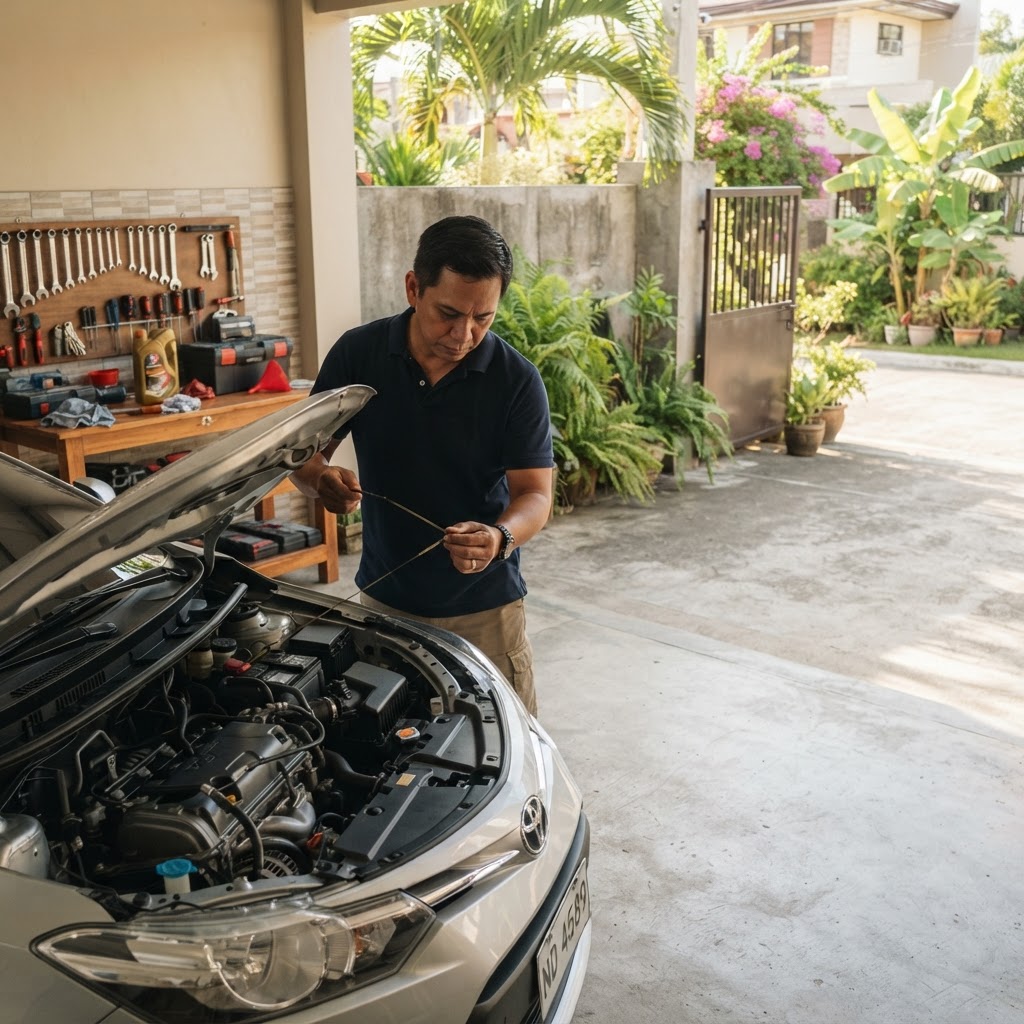
With summer temperatures often hitting 38°C, your cooling system is working harder than ever. Do not simply rely on the plastic overflow tank; when the engine is completely cold, carefully open the radiator cap to ensure the fluid is topped up to the brim.
Always use a high-quality pre-mixed coolant from reputable brands like Petron or Prestone, which typically costs around PHP 380 per liter. Never use tap water in your radiator. The minerals in Philippine tap water can cause scaling and internal rust, leading to overheating during long climbs up to Baguio or while idling in heavy EDSA traffic.
3.
DIY Ceramic Protection for the Monsoon Season
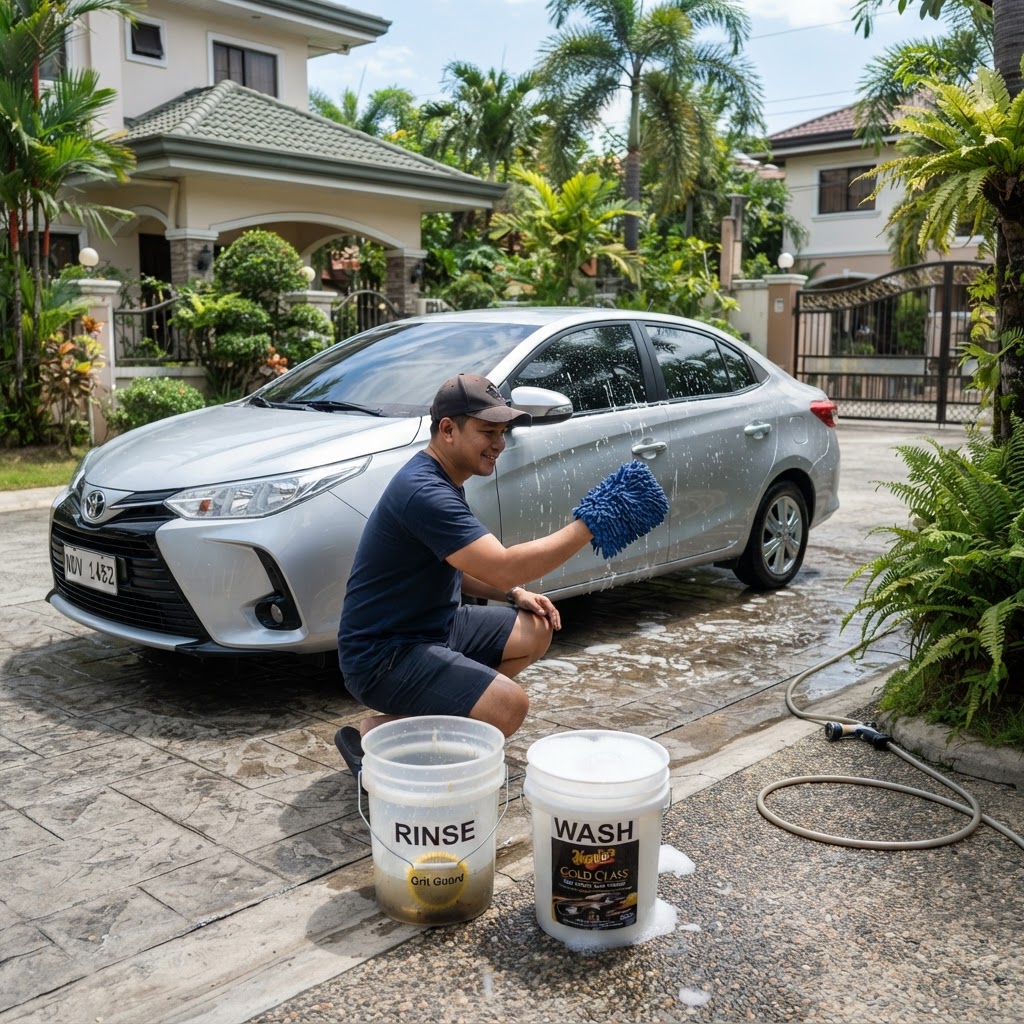
While professional ceramic coatings are a great investment, 2026 has seen the rise of highly effective "SiO2" infused spray sealants that any owner can apply. These sprays provide a hydrophobic layer that makes rainwater and mud slide off your paint—a must-have for the unpredictable weather in provinces like Cavite or Bulacan.
- Wash your car thoroughly using the two-bucket method to avoid scratches.
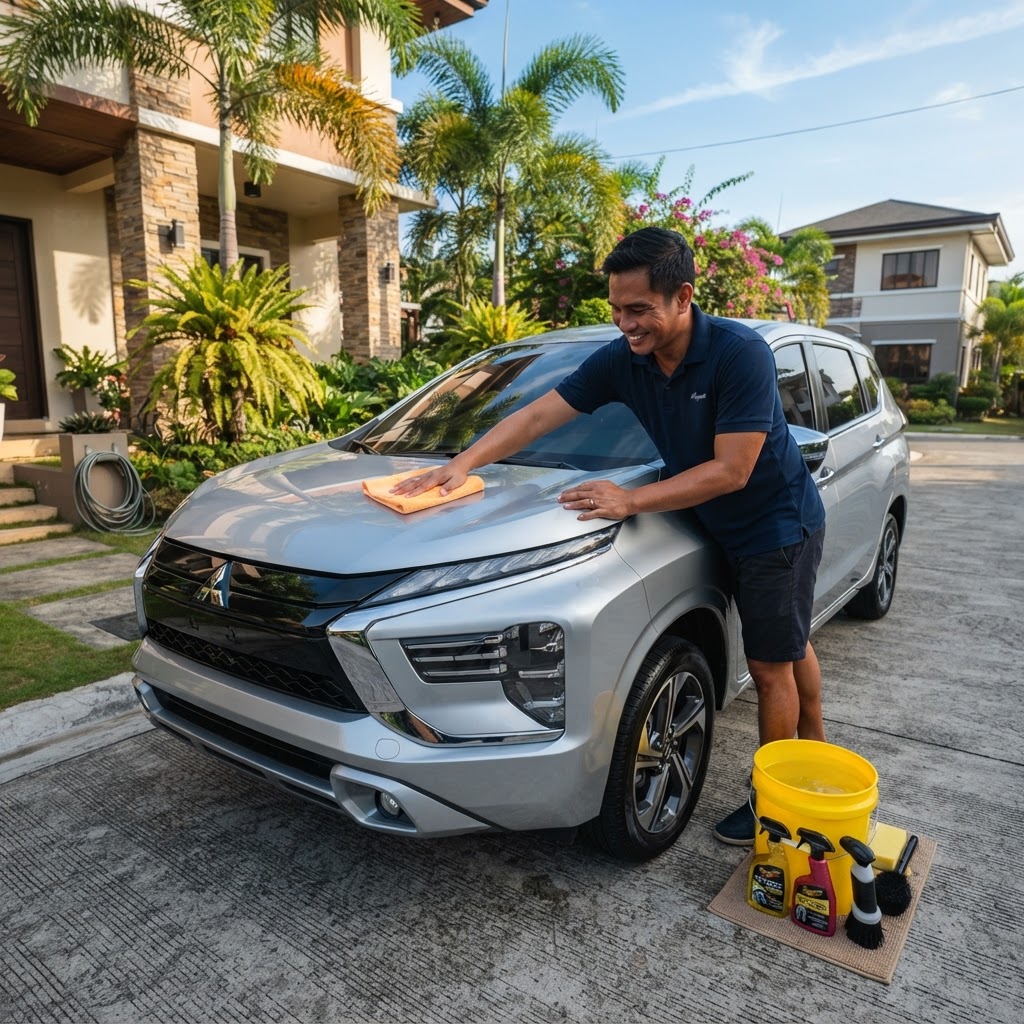
- Dry the surface completely with a clean microfiber towel.
- Apply a ceramic spray wax (like Turtle Wax Hybrid Solutions, priced at roughly PHP 1,250) and buff it out.
- This creates a UV-resistant barrier that lasts for months and makes your weekly wash much easier.
4.
Breathe Clean: Cabin Air Filter Replacement
Air quality remains a concern in Metro Manila. Your cabin air filter is responsible for trapping dust, smog, and allergens before they enter your lungs. Most manufacturers recommend a change every 10,000 kilometers, but in dusty Philippine conditions, every 7,500 kilometers is safer.
For popular models like the Mitsubishi Xpander or Honda City, the filter is usually located behind the glovebox. You can buy a replacement OEM-spec filter for PHP 700 to PHP 1,200 and swap it yourself in under ten minutes. A clean filter not only protects your health but also allows your air conditioning system to cool the cabin more efficiently.
5.
Tire Safety and LTO Compliance
The Land Transportation Office (LTO) has become increasingly strict regarding roadworthiness during registration renewals under recent safety guidelines. Ensure your tires have at least 1.6mm of tread depth to stay compliant and safe on wet roads. Use the "Piso Test": insert a 1-peso coin into the tread; if you can see the entire "1," your grip is compromised.
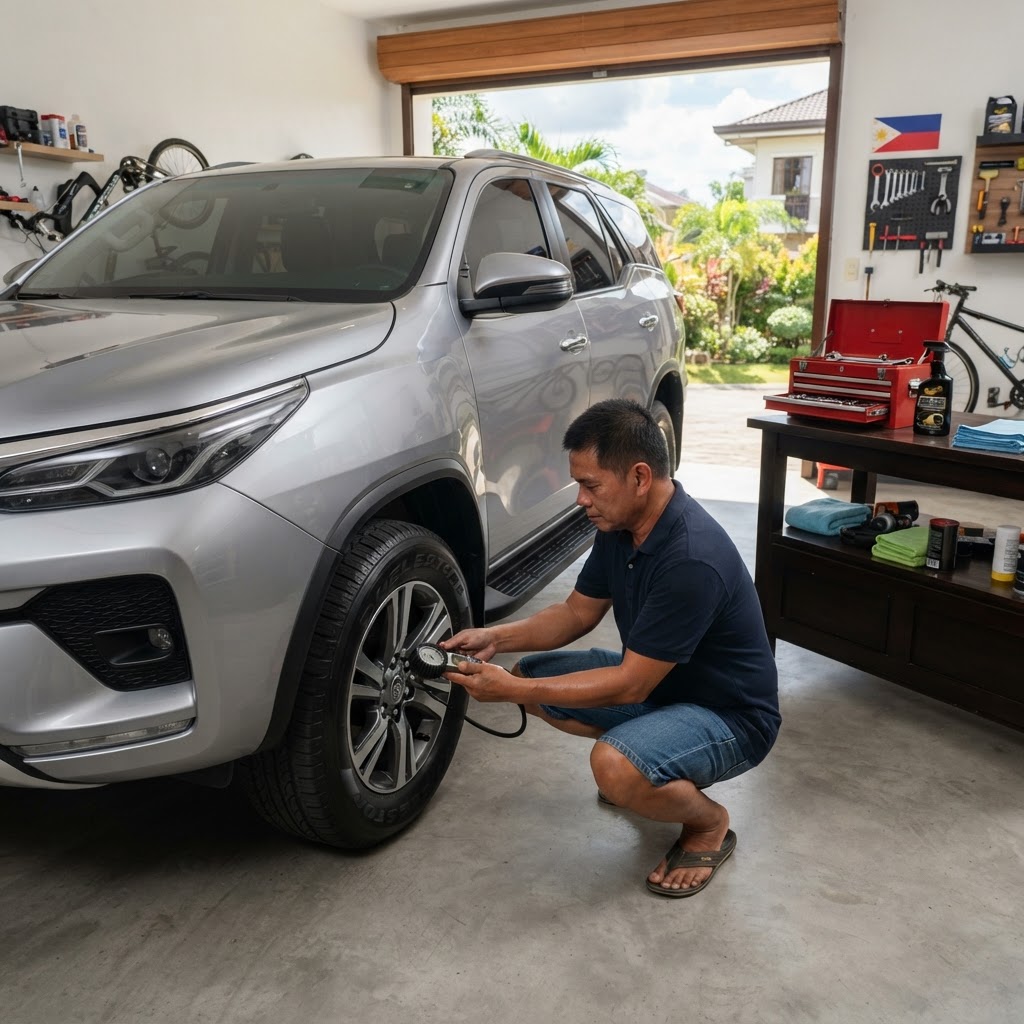
Additionally, check your tire pressure weekly. Under-inflated tires increase fuel consumption—a critical factor given the 2026 fuel price landscape. Always follow the PSI recommendations found on the sticker inside your driver-side door frame for the best balance of safety and economy.
Ready to Buy or Sell a Car?
If you are looking to upgrade to a newer model or want to find a great deal on a pre-owned vehicle, visit OneCars—the Philippines' premier free car marketplace. You can list your vehicle for 100% free with no hidden fees, browse thousands of verified listings, and connect directly with trusted sellers. Start your journey with OneCars today and experience a hassle-free way to trade cars!