The Future of Philippine Motoring: EVs, Local Manufacturing, and the 2026 Shift
As 2026 unfolds, the Philippine automotive landscape is undergoing a massive transformation driven by new government incentives and the arrival of global EV players.
The Philippine automotive industry is currently navigating one of its most transformative periods in recent history. As we move through 2026, the focus has shifted from mere importation to a strategic push for local manufacturing and a broader adoption of electric mobility. For car buyers and industry observers alike, these developments signal a new era for the roads we drive on every day.
One of the most significant milestones this year is the government's aggressive push to turn the Philippines into a regional automotive hub. In July 2026, President Ferdinand R. Marcos Jr. signed Executive Order No. 121, which established the Electric Vehicle Incentive Strategy (EVIS) Program. This initiative is designed to provide performance-based fiscal support to manufacturers who commit to producing hybrid and battery electric vehicles locally. Major players are already responding; for instance, Mitsubishi Motors Philippines Corporation has announced a substantial investment to locally produce hybrid electric vehicles, reinforcing the country's potential to become a key player in the regional supply chain.
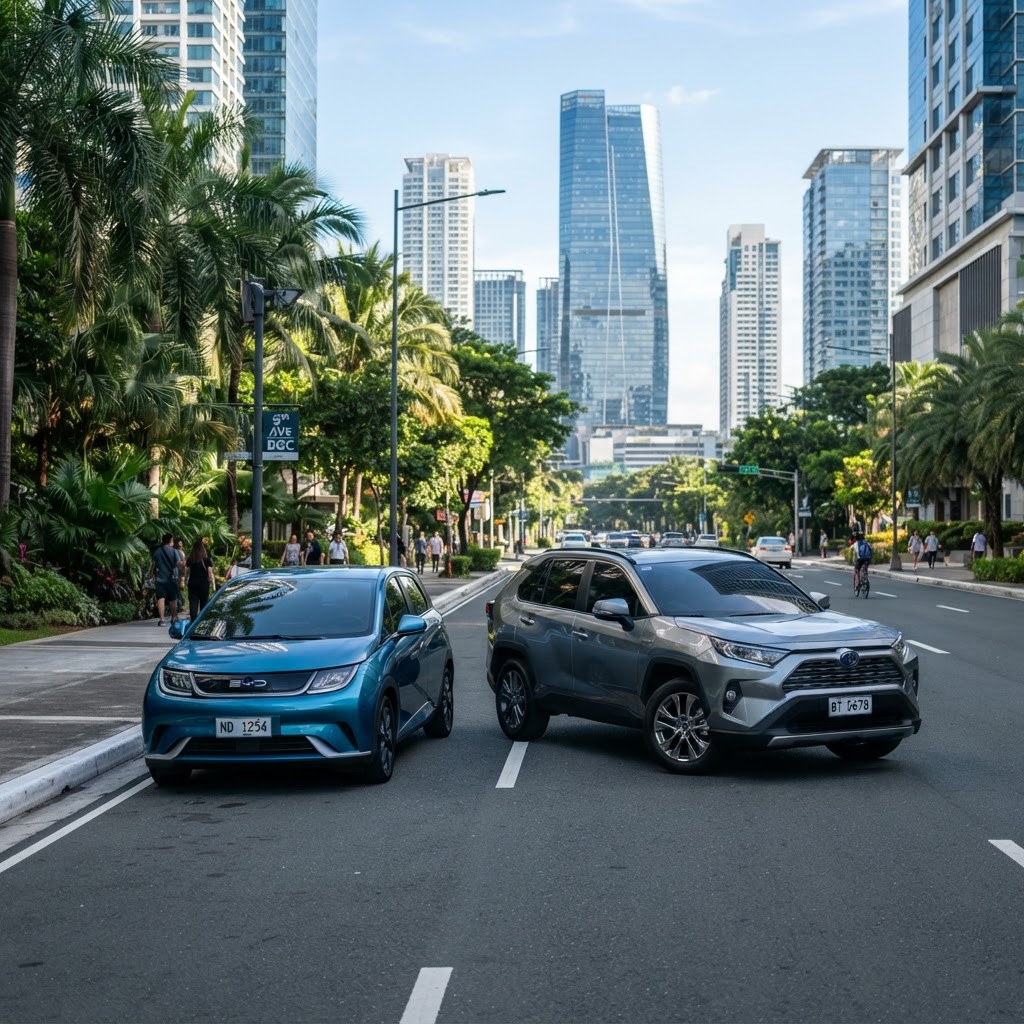
While the government is heavily incentivizing the transition to cleaner energy, the market remains diverse. Industry leaders like Toyota Motor Philippines have emphasized that while the EV transition is vital, there is still a critical need to support internal combustion engine (ICE) vehicles to maintain industrial productivity and meet the immediate needs of the Filipino workforce. This balanced approach ensures that as we move toward a greener future, the current economic engine of the automotive sector remains robust.
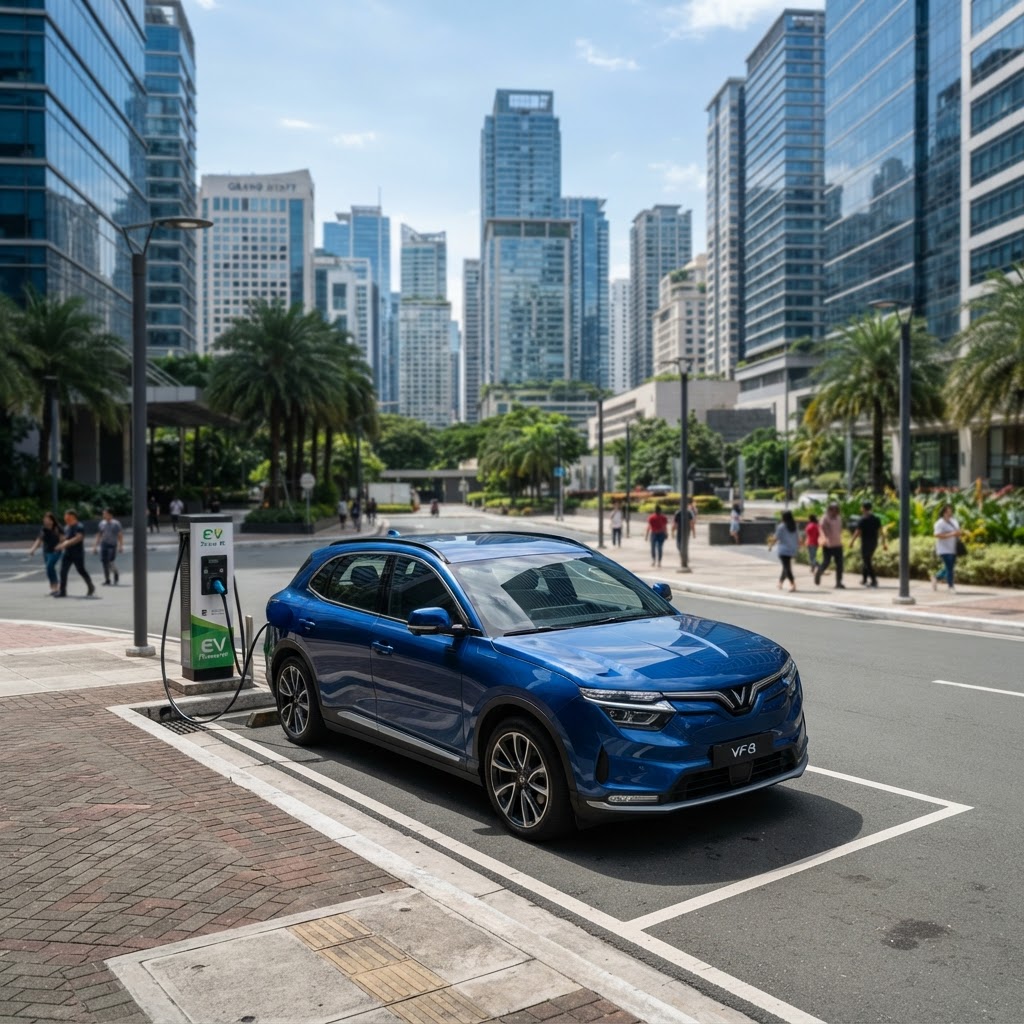
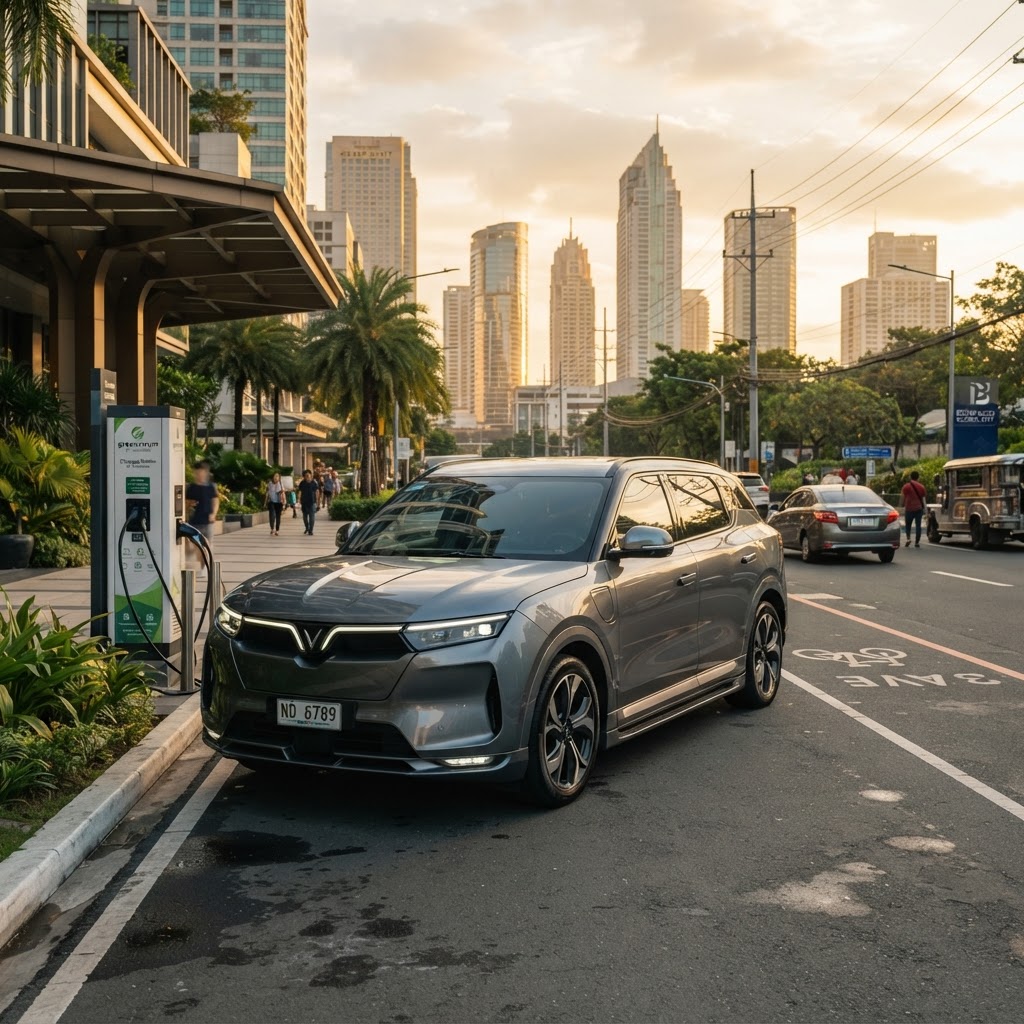
On the consumer front, the market is seeing an influx of new technology. September 2026 marked the official entry of XPeng into the Philippine market, bringing the X9 seven-seater and the L03 SUV to local showrooms. With the X9 EV starting at PHP 3,858,000, Filipino families now have more premium, high-tech options than ever before. These arrivals, coupled with the ongoing expansion of charging infrastructure by companies like V-Green, are making the prospect of owning an electric vehicle increasingly practical for urban dwellers.
Despite these advancements, the road ahead is not without its challenges. Analysts from BMI have noted that the Philippines faces stiff competition from neighbors like Thailand and Indonesia, which have established themselves as manufacturing powerhouses. To succeed, the Philippines must pair its large domestic market with consistent policy support and improved infrastructure. However, with the current tariff exemptions for imported EVs running until 2028, the momentum for adoption remains strong, with some projections suggesting that electric vehicles could account for a significant share of total sales by the next decade.
For the average Filipino, this means that whether you are looking for a reliable hybrid for your daily commute or a cutting-edge EV for your family, the market is evolving to offer more choices, better technology, and a more sustainable path forward. As we look toward the end of 2026, the synergy between government policy and private sector investment is clearly setting the stage for a more dynamic and competitive automotive future.
Navigating Your Automotive Journey
If you are a salesperson looking to optimize your workflow, visit www.onecars.net/for-salespeople to get started for free during our launch. For those looking to sell their vehicle, our dedicated seller guide at www.onecars.net/sell-your-car offers the best tools to reach serious buyers.