The Electrification Surge: How 2026 is Reshaping the Philippine Automotive Landscape
As 2026 progresses, the Philippine automotive market is undergoing a massive transformation driven by a surge in electrified vehicle adoption and bold new industry investments.
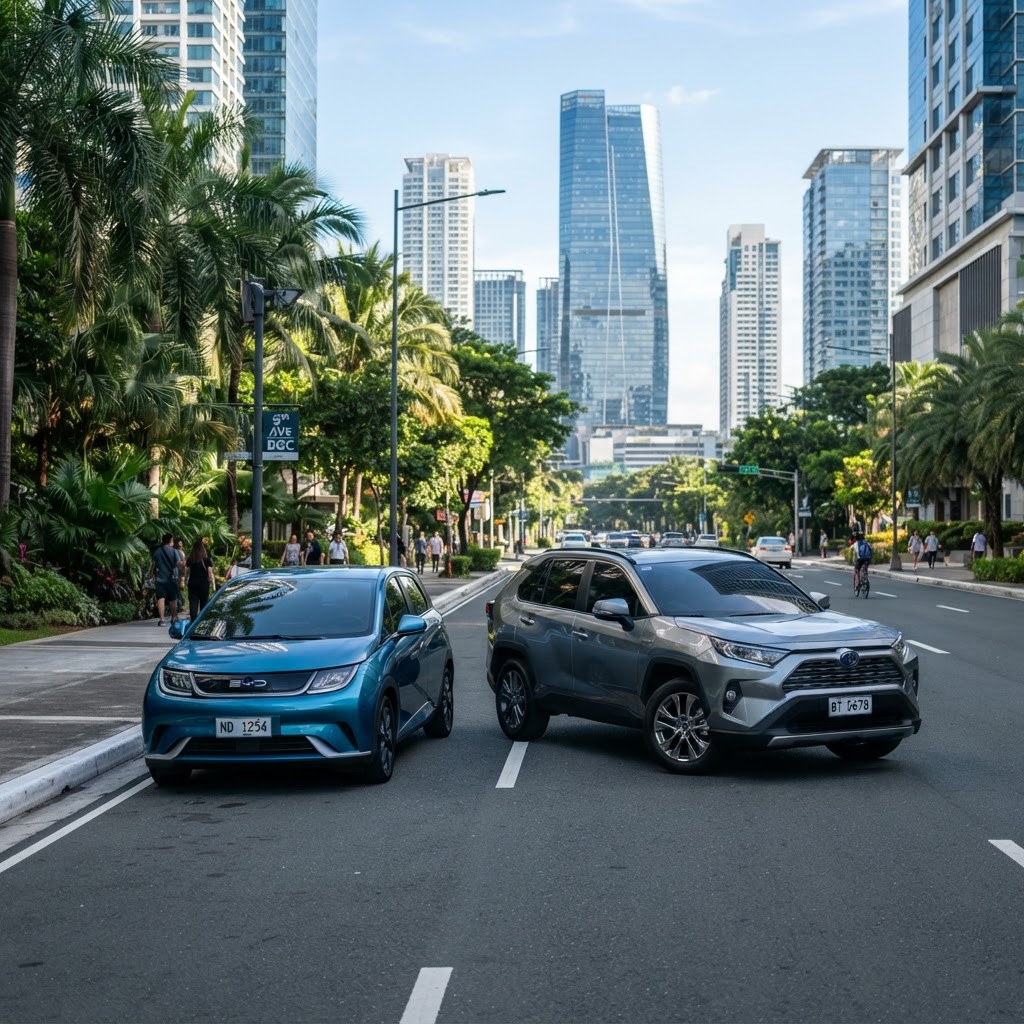
The Philippine automotive industry in 2026 is proving that resilience and innovation go hand-in-hand. Despite global economic headwinds that impacted the first half of the year, the local market has found a powerful engine for growth: the rapid shift toward electrification. As we navigate the final quarter of 2026, it is clear that Filipino car buyers are no longer just looking at traditional internal combustion engines; they are actively embracing a future powered by hybrid and battery electric technology.
One of the most significant trends this year is the dominance of electrified vehicles (xEVs) in the sales charts. Data from the Chamber of Automotive Manufacturers of the Philippines Inc. (CAMPI) and the Truck Manufacturers Association (TMA) highlights that xEVs have become a bright spot, with sales more than doubling compared to previous periods. By mid-2026, electrified vehicles accounted for nearly 30 percent of the total automotive market in certain months, signaling a permanent change in consumer preference.
Leading the charge is Toyota Motor Philippines, which continues to expand its 'Beyond Zero' sustainability vision. The brand recently introduced the bZ4X, its first battery electric vehicle (BEV) in the country, alongside the ATIV Hybrid Electric Vehicle, which stands as one of the most accessible electrified options for local motorists. This multi-pathway strategy ensures that whether a driver is in a dense urban center or a rural province, there is a mobility solution tailored to their needs.
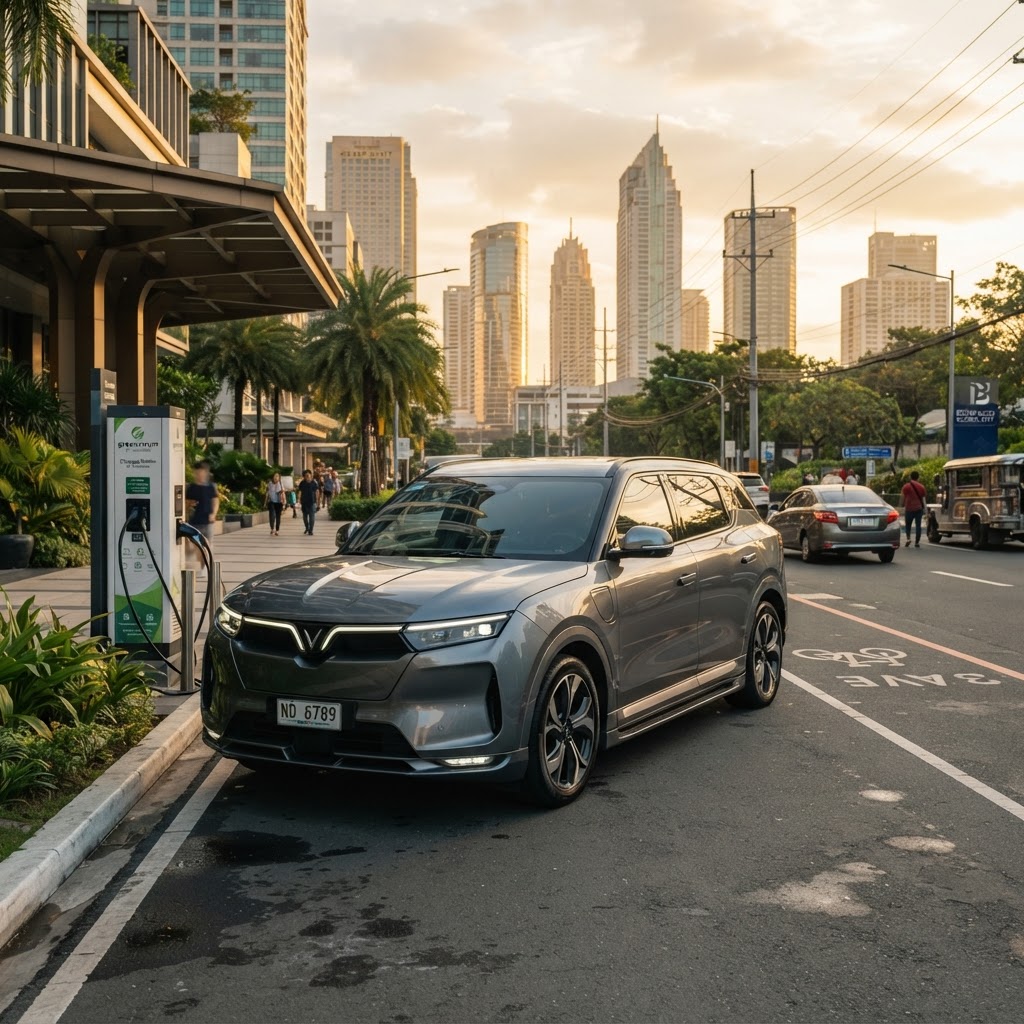
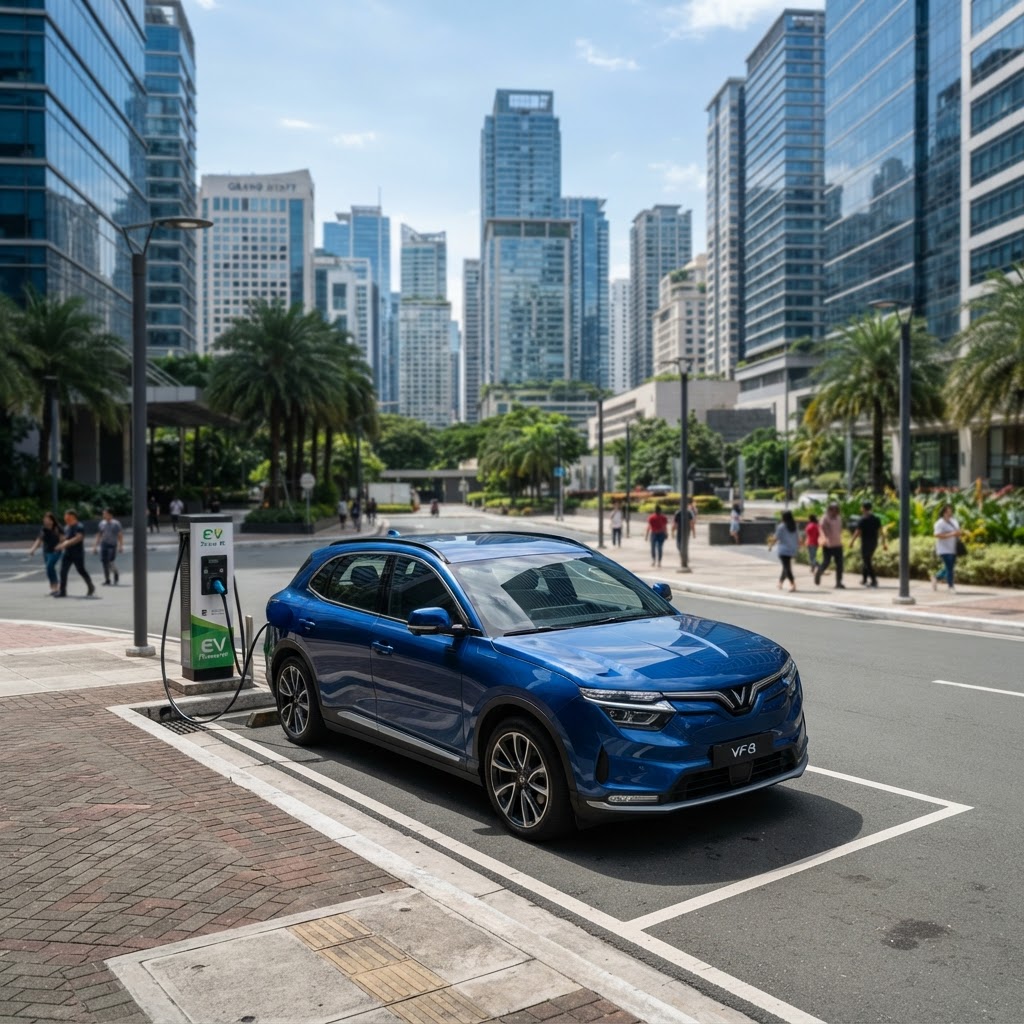
New players are also shaking up the scene. Xpeng has officially entered the Philippine market, bringing high-tech electric models like the X9 and L03 to local showrooms. Meanwhile, VinFast is making waves in the BEV segment, consistently ranking among the top sellers in the battery-electric category. For those looking for a blend of power and efficiency, the 2026 GWM Haval H7 has also arrived, offering hybrid variants that cater to the growing demand for SUVs that don't compromise on performance or fuel economy.
Infrastructure is finally catching up to this demand. ACMobility currently leads the charge, accounting for nearly half of the country's fixed EV charging hubs. This expansion is critical as the government pushes toward its ambitious goal of having EVs make up a significant portion of the national vehicle fleet by 2040. Furthermore, the inclusion of hybrid electric vehicles in the new allocation for Transport Network Vehicle Services (TNVS) is a game-changer for ride-hailing drivers looking to lower their operational costs.
Beyond electrification, the industry is seeing a revival in local manufacturing and specialized utility vehicles. The next-generation Toyota Tamaraw is set to hit the roads as a Modern Public Utility Vehicle (MPUV Class 1), promising to modernize the backbone of Philippine public transport. With major events like the 14th Philippine Electric Vehicle Summit (PEVS) and the Philippine International Truck Show (PITS) taking place this October, the momentum for the remainder of 2026 looks incredibly promising for both manufacturers and consumers.
Navigating Your Next Move
If you are a salesperson looking to sharpen your skills in this evolving market, visit www.onecars.net/for-salespeople to access our professional resources. For those ready to list their vehicle, our seller guide at www.onecars.net/sell-your-car is free to use during our launch period.