The 2026 Philippine Automotive Landscape: Electrification, Recovery, and Local Manufacturing
As 2026 progresses, the Philippine automotive market is navigating a dynamic shift toward electrification while balancing traditional manufacturing strengths and a resilient sales recovery.
The Philippine automotive industry in 2026 is proving to be a year of fascinating contrasts. As we move through the final quarter, the market is showing remarkable resilience, bouncing back from weather-related disruptions to record strong monthly performances. With September 2026 seeing a 17 percent month-on-month surge in sales, it is clear that Filipino consumers remain eager to get behind the wheel of new vehicles.
The Rise of Electrified Mobility
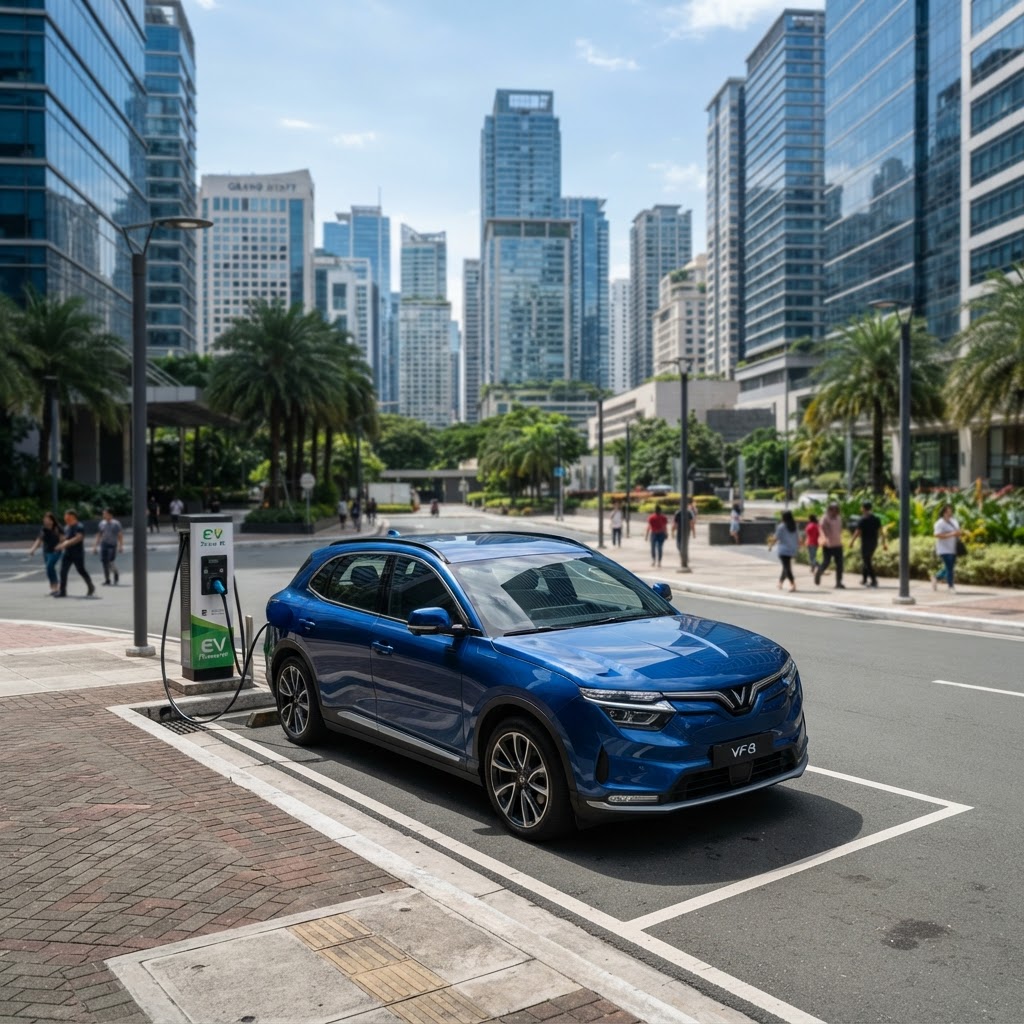
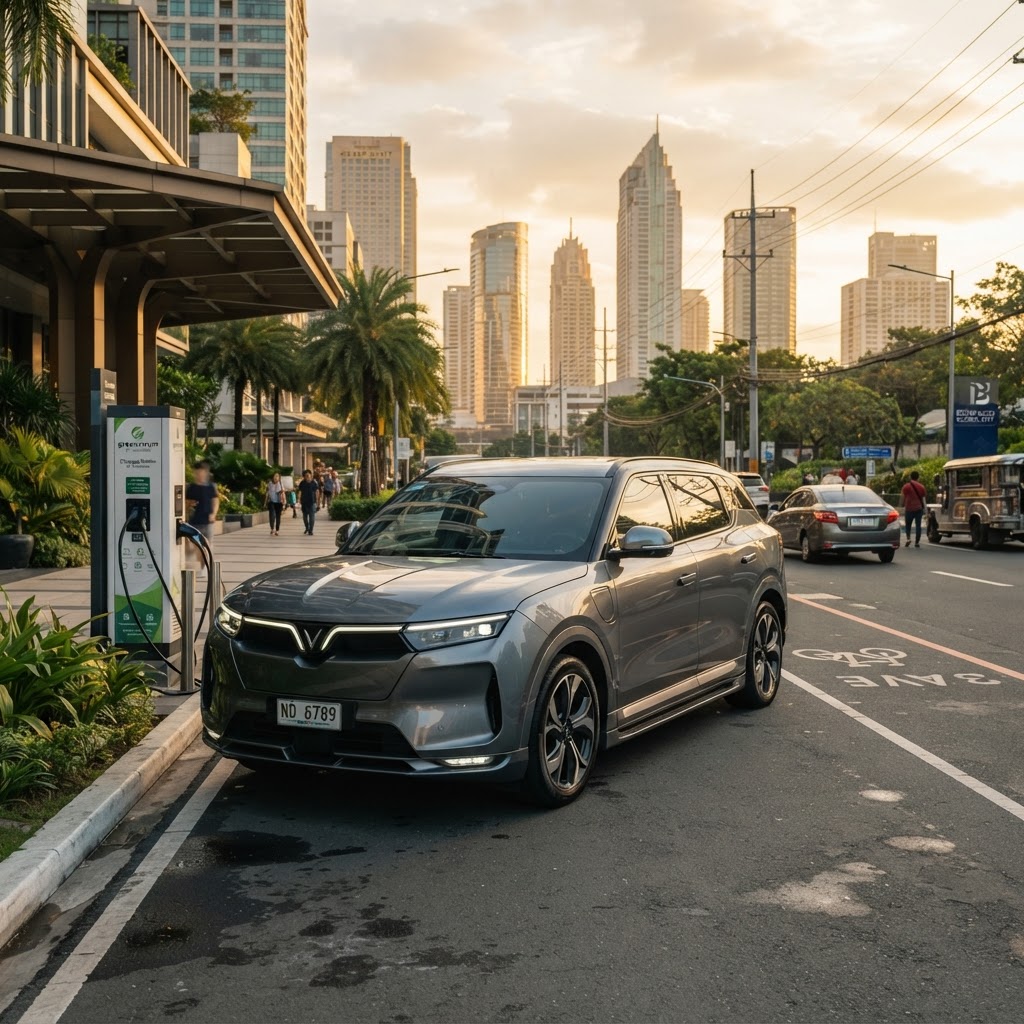
One of the most significant trends defining 2026 is the rapid adoption of electrified vehicles (xEVs). Recent data indicates that electrified models—including hybrids, plug-in hybrids, and battery electric vehicles—have become a major force in the market. In fact, by August 2026, xEVs accounted for approximately 34.5 percent of all new car sales. While pure battery electric vehicles (BEVs) still represent a smaller portion of the total market, their growth is undeniable, signaling a long-term shift in consumer preference toward energy-efficient transport.
Government Incentives and Local Manufacturing
Policy remains a cornerstone of this transition. The government’s Electric Vehicle Incentive Strategy (EVIS) program, supported by a significant allocation, aims to bridge the cost gap between EVs and traditional internal combustion engine (ICE) vehicles. This initiative encourages automakers to invest in local assembly and parts production.
Simultaneously, the industry is not abandoning its roots. Toyota Motor Philippines continues to lead the market, with a strong focus on the next-generation Tamaraw. The company is leveraging the government’s Revitalizing the Automotive Industry for Competitiveness Enhancement (RACE) program, which supports the continued production of gas and diesel-powered vehicles, ensuring that the country maintains a balanced approach to mobility.
Market Dynamics and Challenges
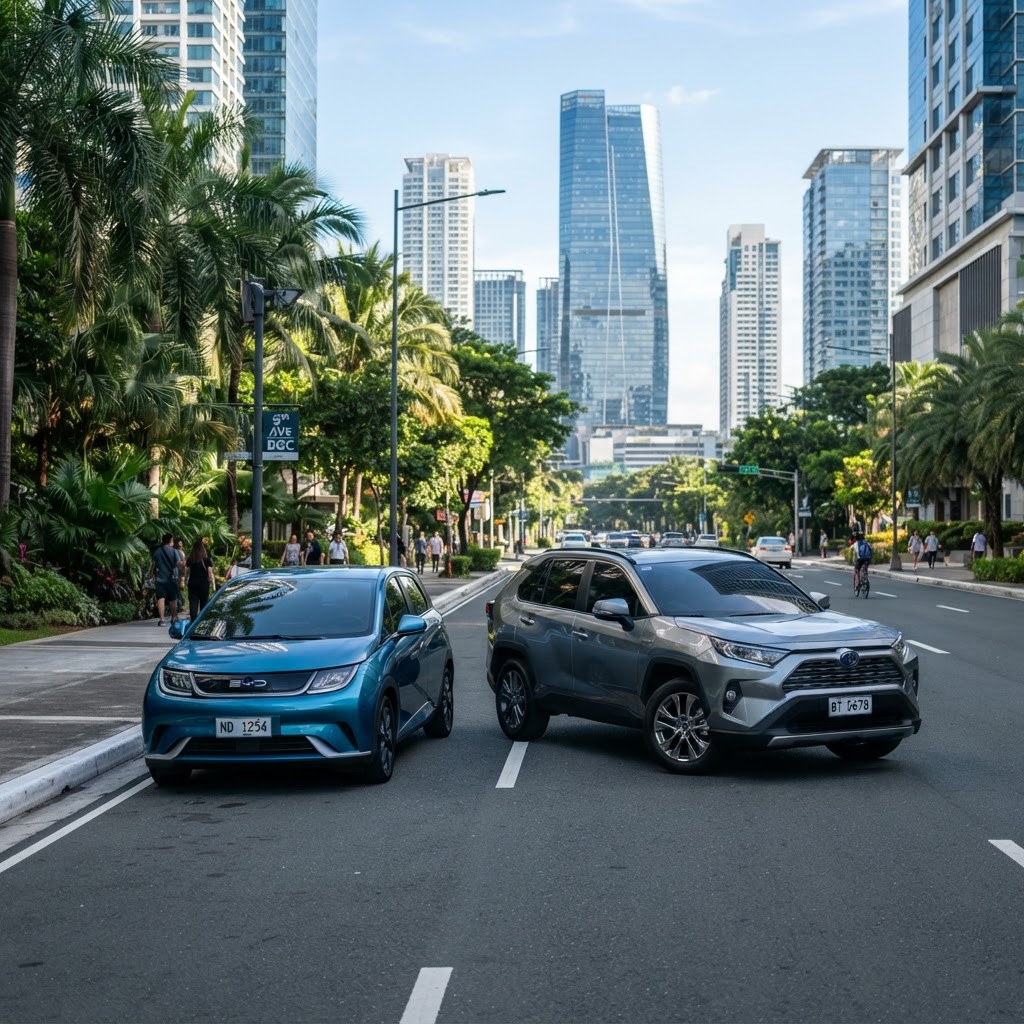
While the shift toward green technology is the headline, the market remains competitive. Chinese brands have made significant inroads, now occupying a substantial share of the top 10 best-selling brands. This influx of new players is diversifying options for Filipino buyers, though it also brings challenges regarding infrastructure and policy clarity. For instance, some manufacturers are currently re-evaluating their local hybrid production plans, citing the need for more certainty in long-term government policies to justify the massive capital investments required for local assembly.
Despite these complexities, the overall outlook for 2026 remains positive. The industry is successfully navigating the transition, proving that the Philippines is ready to embrace both the reliability of traditional manufacturing and the innovation of the electric future.
Expert Guidance for Your Automotive Journey
If you are a salesperson looking to optimize your workflow, visit www.onecars.net/for-salespeople to access our tools, which are free during our launch. For dealers seeking to expand their reach and manage inventory effectively, our comprehensive guide is available at www.onecars.net/for-dealers, also free during this launch period.