The Electric Revolution: How Chinese Brands are Dominating the Philippine EV Landscape in 2024
Discover how the arrival of affordable Chinese EVs and government incentives under the EVIDA law are reshaping the Philippine automotive market for a greener future.
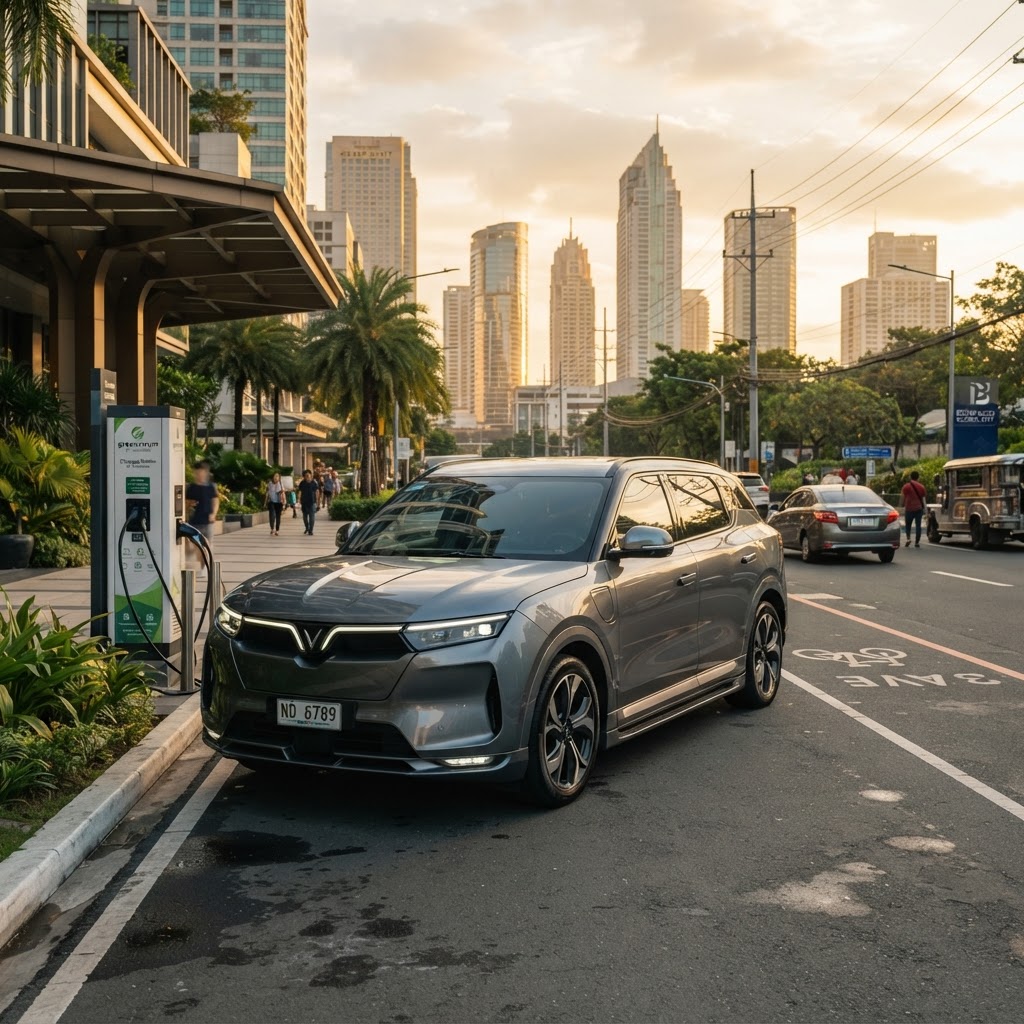
The Silent Shift on Philippine Roads If you have spent any time in the business districts of Bonifacio Global City or Makati recently, you might have noticed something different.
The familiar rumble of internal combustion engines is increasingly being punctuated by the near-silent glide of modern electric vehicles (EVs). What was once a niche luxury segment for the ultra-wealthy is rapidly becoming a mainstream reality for Filipino car buyers. Driven by soaring fuel prices and a global push for sustainability, the Philippine automotive landscape is undergoing its most significant transformation in decades.
The EVIDA Law: Paving the Way This shift is not accidental.
The Philippine government has laid the groundwork through Republic Act No. 11697, better known as the Electric Vehicle Industry Development Act (EVIDA). This landmark legislation provides a framework for the adoption of EVs in the country, offering perks that are hard to ignore. For instance, EV owners are entitled to a priority in LTO registration and renewals, and more importantly, they are exempted from the Unified Vehicle Volume Reduction Program (UVVRP), or what we commonly call 'coding.' Furthermore, Executive Order No. 12 has temporarily reduced the Most Favored Nation (MFN) tariff rates on completely built-up (CBU) units of certain electric vehicles to zero percent. This has allowed distributors to price their units much more competitively compared to five years ago.
The Chinese Invasion: Quality Meets Affordability While European and American brands pioneered the technology, it is the Chinese manufacturers that are currently winning the hearts—and wallets—of Filipino motorists.
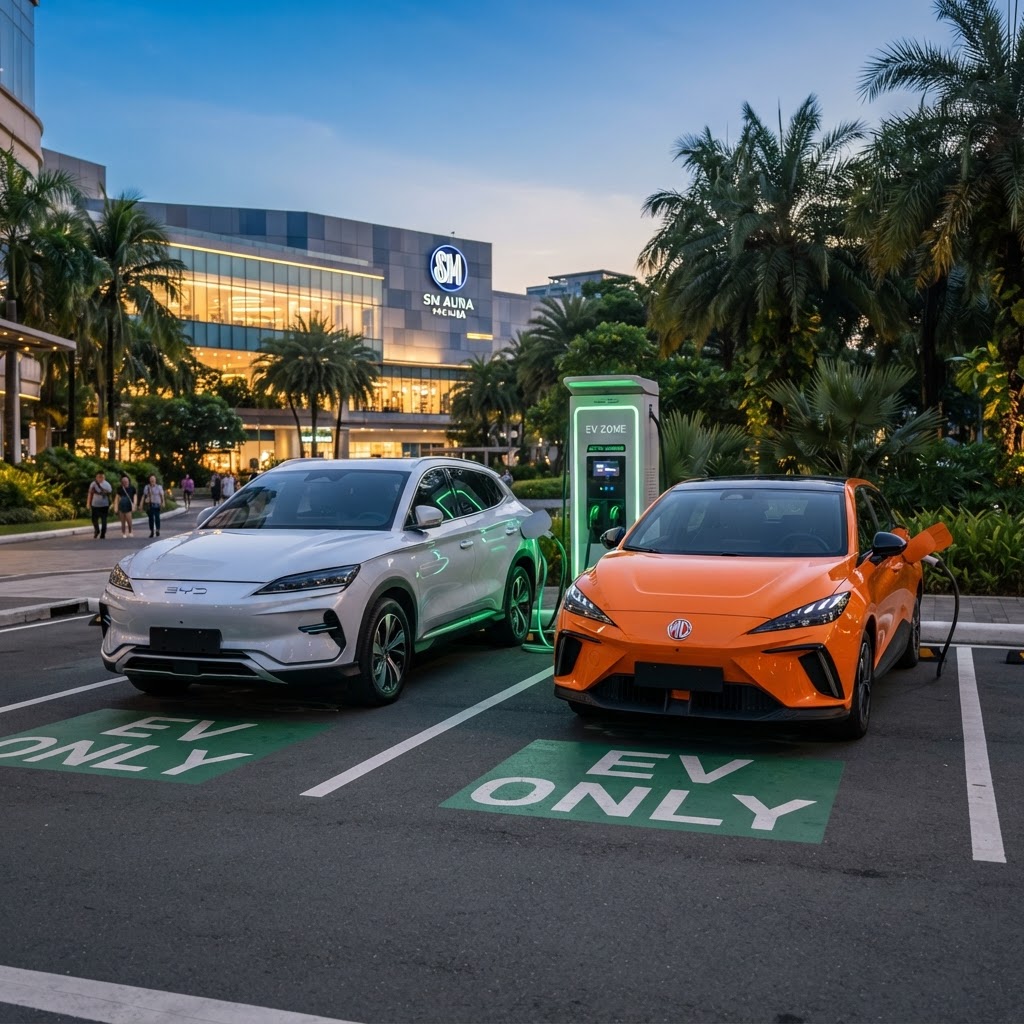
Brands like BYD, MG, and Great Wall Motor (GWM) are leading the charge with vehicles that offer premium tech at prices that rival traditional mid-size sedans.
BYD Philippines (ACMotive) BYD, the world’s leading EV manufacturer, has made massive waves locally since being taken over by the Ayala Corporation under ACMotive. Their standout model, the BYD Atto 3, priced between ₱1,598,000 and ₱1,798,000, offers a range of up to 480km on a single charge. More recently, they launched the BYD Sealion 6 DM-i, a plug-in hybrid SUV priced at ₱1,548,000, which serves as a 'gateway' for those not yet ready to go fully electric.
MG (Morris Garages) Philippines MG has successfully transitioned from a budget-friendly internal combustion brand to a serious EV contender. The MG4 EV, starting at approximately ₱1,468,888, has garnered praise for its rear-wheel-drive dynamics and sharp aesthetics. It competes directly with the GWM Ora 03, another stylish Chinese entry that starts at a competitive ₱1,288,000.
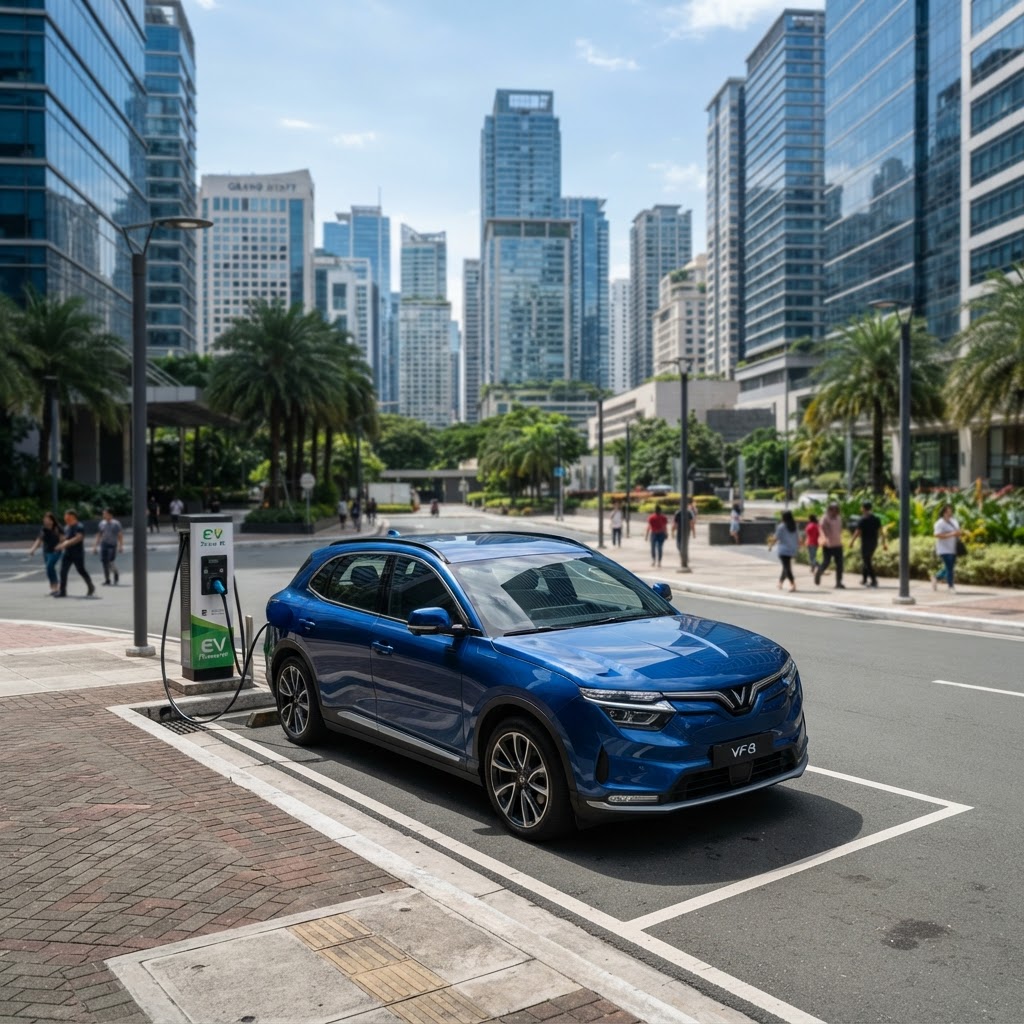
New Entrants: VinFast and Beyond It is not just the Chinese brands. Vietnam’s VinFast recently entered the local market, introducing the VF 5 and VF 7, bringing more diversity to the segment. Even traditional powerhouses like Toyota and Mitsubishi are feeling the heat, pushing them to accelerate the rollout of their hybrid models like the Toyota Corolla Cross HEV and the Mitsubishi Xpander HEV.
Charging Infrastructure: The Final Hurdle The biggest concern for Filipino buyers remains 'range anxiety.' However, the private sector is moving fast to address this.
SM Supermalls, Ayala Malls, and Shell Recharge have significantly expanded their network of Level 2 and DC fast chargers across Luzon. According to the LTO Administrative Order No. 2021-039, the government is also working on standardizing charging protocols to ensure that a BYD owner can charge just as easily as a Nissan Leaf driver.
Should You Make the Switch? With the current price of fuel hovering at uncomfortable levels, the total cost of ownership for an EV is becoming increasingly attractive.
While the upfront cost might be slightly higher than a Toyota Vios or a Mitsubishi Mirage, the savings on maintenance (no oil changes, fewer moving parts) and electricity versus gasoline are substantial. If you primarily drive within the metro and have access to a home charging point, 2024 is officially the year that going electric in the Philippines makes perfect sense. The combination of government incentives, a flurry of new models, and a growing charging network has turned the 'car of the future' into the car of today.
Ready to Buy or Sell a Car?
Whether you're upgrading to your dream ride or letting go of your current one, OneCars makes it easy. List your car for 100% free — no hidden fees, no commissions. Browse hundreds of verified listings from trusted sellers across the Philippines, and connect directly with buyers and sellers today. Sell your car for free or explore the showroom now!