The Electric Surge: How New Policies and Models are Reshaping the Philippine Road
From the extension of zero tariffs to the arrival of budget-friendly EVs, the Philippine automotive landscape is transforming faster than ever in 2024.
The Shift is Here: Why the Filipino Driver is Going Green
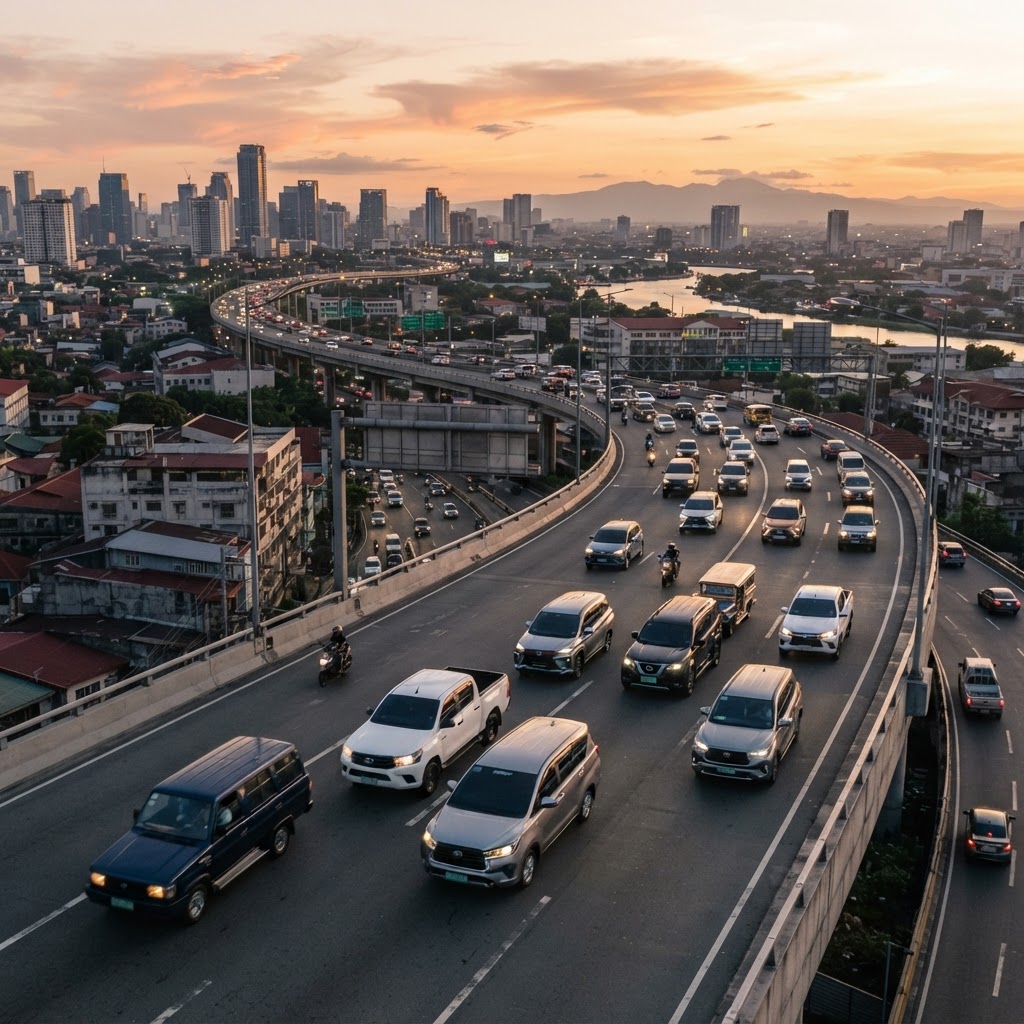
For decades, the Philippine automotive market has been dominated by the reliable hum of internal combustion engines. However, walk into any major mall today—from SM Megamall to Glorietta—and you will see a different story. The 'Electric Revolution' is no longer a futuristic concept; it is happening right now on EDSA. Driven by favorable government policies, a surge of new brands, and a growing charging network, 2024 is proving to be the most pivotal year for New Energy Vehicles (NEVs) in the country.
Policy Power: E.O. 12 and the EVIDA Law
The biggest catalyst for this change is the recent extension of Executive Order No. 12. Originally signed to lower import duties on electric vehicles (EVs), the government recently expanded its scope to include hybrid electric vehicles (HEVs) and two-wheelers. This means that many EVs currently enjoy 0% import duty, allowing distributors to price them competitively against traditional gas-guzzlers.
Complementing this is the Republic Act No. 11697, or the Electric Vehicle Industry Development Act (EVIDA). Under this law, EV owners enjoy significant perks that make daily driving in Metro Manila much easier. The most popular benefit? Exemption from the Unified Vehicular Volume Reduction Program (UVVRP), commonly known as number coding. Furthermore, the Land Transportation Office (LTO) provides a 15% discount on vehicle registration fees and priority handling for EV owners. These aren't just 'green' incentives; they are practical, money-saving advantages for the average commuter.
New Players and Budget-Friendly Models
In the past, the barrier to EV ownership was the 'luxury' price tag. Brands like Tesla and Porsche were the only options. Today, the landscape is far more inclusive. The arrival of Chinese automotive giants has democratized electric mobility.
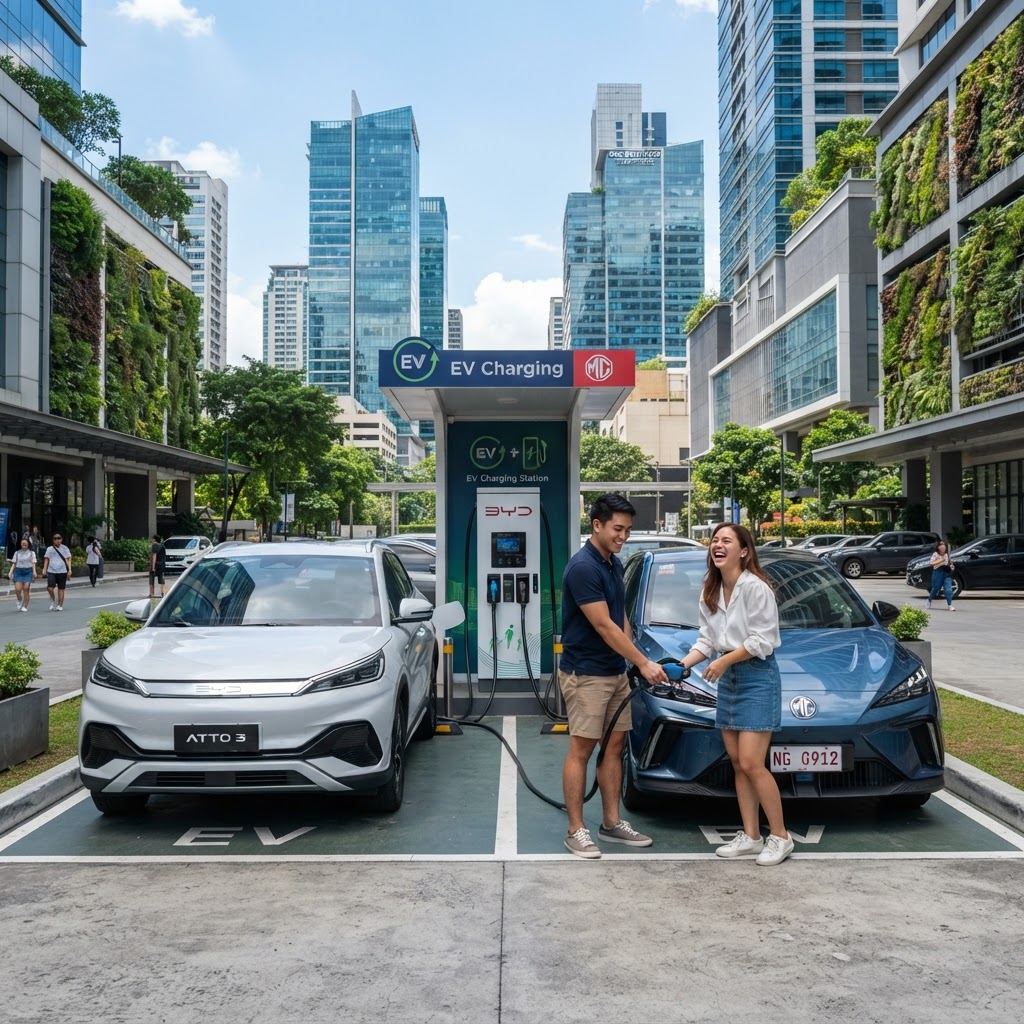
BYD, now under the wings of Ayala Corporation’s AC Motors, is leading the charge with models like the BYD Atto 3 (starting at roughly PHP 1,598,000) and the recently teased BYD Seagull, which is expected to be one of the most affordable full-electric hatchbacks in the market.
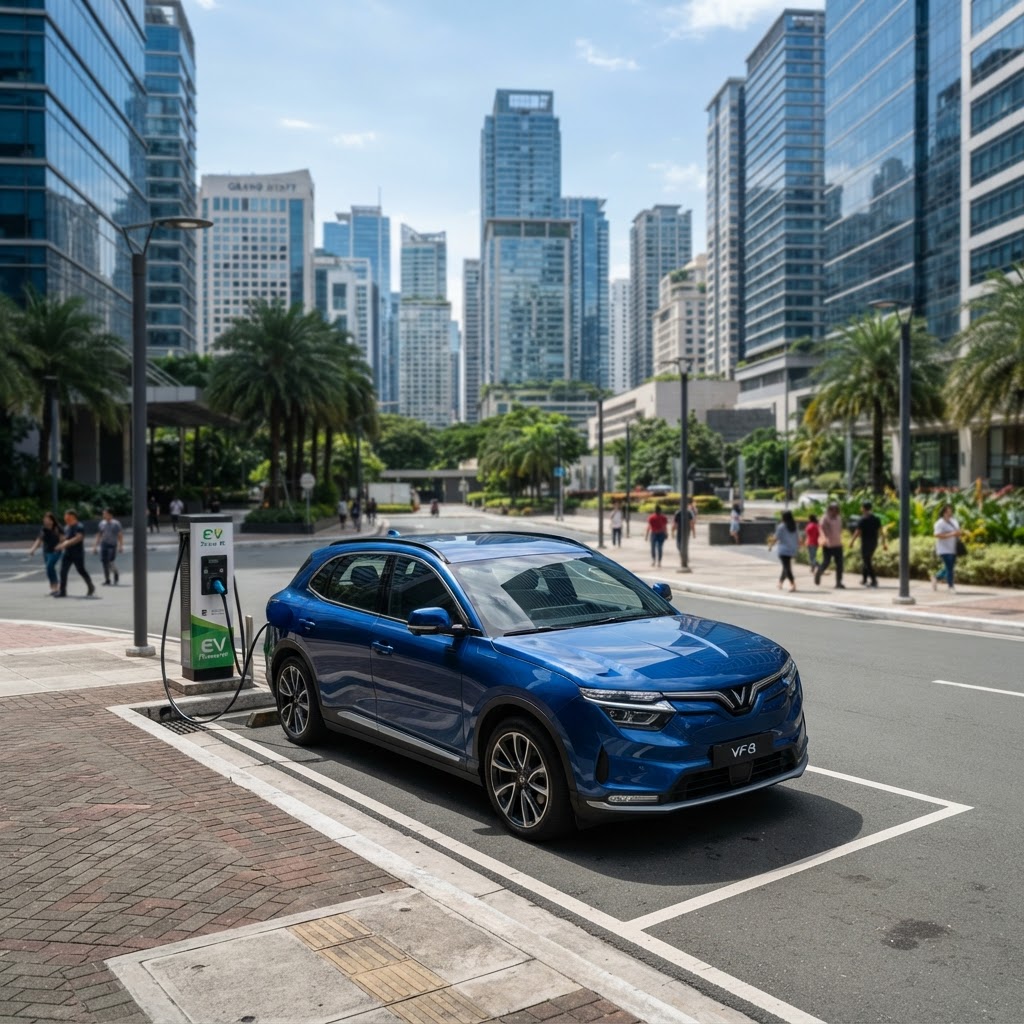
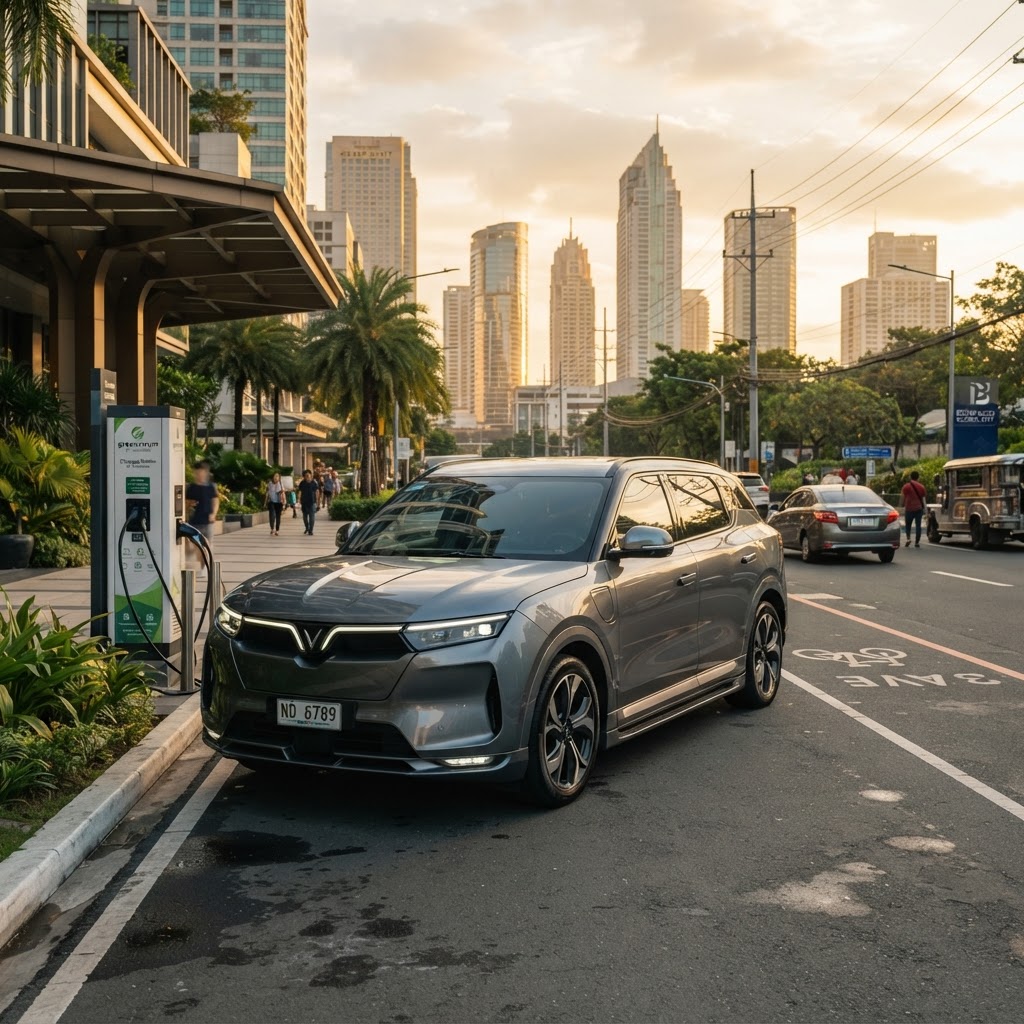
Not to be outdone, MG Philippines has introduced the MG4 EV (starting at PHP 1,468,888), a sporty hatchback that has garnered international acclaim. Even the luxury segment is seeing a shift, with the BMW iX1 and Audi e-tron becoming common sights in business districts. More importantly, we are seeing the entry of VinFast, the Vietnamese EV powerhouse, which officially launched in the Philippines this year, promising to shake up the SUV and crossover segments with the VF 5 and VF 7.
Infrastructure: Is the Country Ready?
The number one concern for Filipinos remains 'range anxiety.' Can I drive from Manila to Baguio? The answer is increasingly 'Yes.' Major players like Shell Pilipinas have rolled out Shell Recharge stations along the North Luzon Expressway (NLEX) and South Luzon Expressway (SLEX).
Retail giants like SM Supermalls and Ayala Malls have also installed free or pay-per-use charging stations in their parking structures. While the network is still concentrated in urban hubs, the Department of Energy (DOE) is actively pushing for the Comprehensive Roadmap for the Electric Vehicle Industry (CREVI), which mandates that 5% of all parking spaces in public and private establishments be dedicated to EV charging points.
The Hybrid Middle Ground
For those not yet ready to go 'Full Electric,' Hybrid Electric Vehicles (HEVs) remain the top choice. The Toyota Corolla Cross G HEV (priced around PHP 1,498,000) and the Toyota Innova Zenix have become best-sellers, offering the fuel efficiency of an electric motor without the need to plug in. These vehicles serve as the perfect 'gateway' for Filipinos to transition away from pure fossil fuel reliance.
Final Thoughts
As fuel prices remain volatile and the environmental impact of urban congestion becomes impossible to ignore, the Philippine automotive industry is at a crossroads. With government backing through E.O. 12 and the EVIDA Law, and an influx of high-quality, affordable models from brands like BYD, MG, and VinFast, the road ahead is clearly electric. If you are looking to buy a new car this year, the question is no longer 'Should I buy an EV?' but rather, 'Which EV fits my lifestyle?'
Ready to Buy or Sell a Car?
Whether you're upgrading to your dream ride or letting go of your current one, OneCars makes it easy. List your car for 100% free — no hidden fees, no commissions. Browse hundreds of verified listings from trusted sellers across the Philippines, and connect directly with buyers and sellers today. Sell your car for free or explore the showroom now!