The Green Shift: Why 2024 is the Year of the Hybrid and EV in the Philippines
The Philippine automotive landscape is undergoing a massive transformation as hybrid and electric vehicles become mainstream choices for Filipino drivers.
The Green Shift: Why 2024 is the Year of the Hybrid and EV in the Philippines
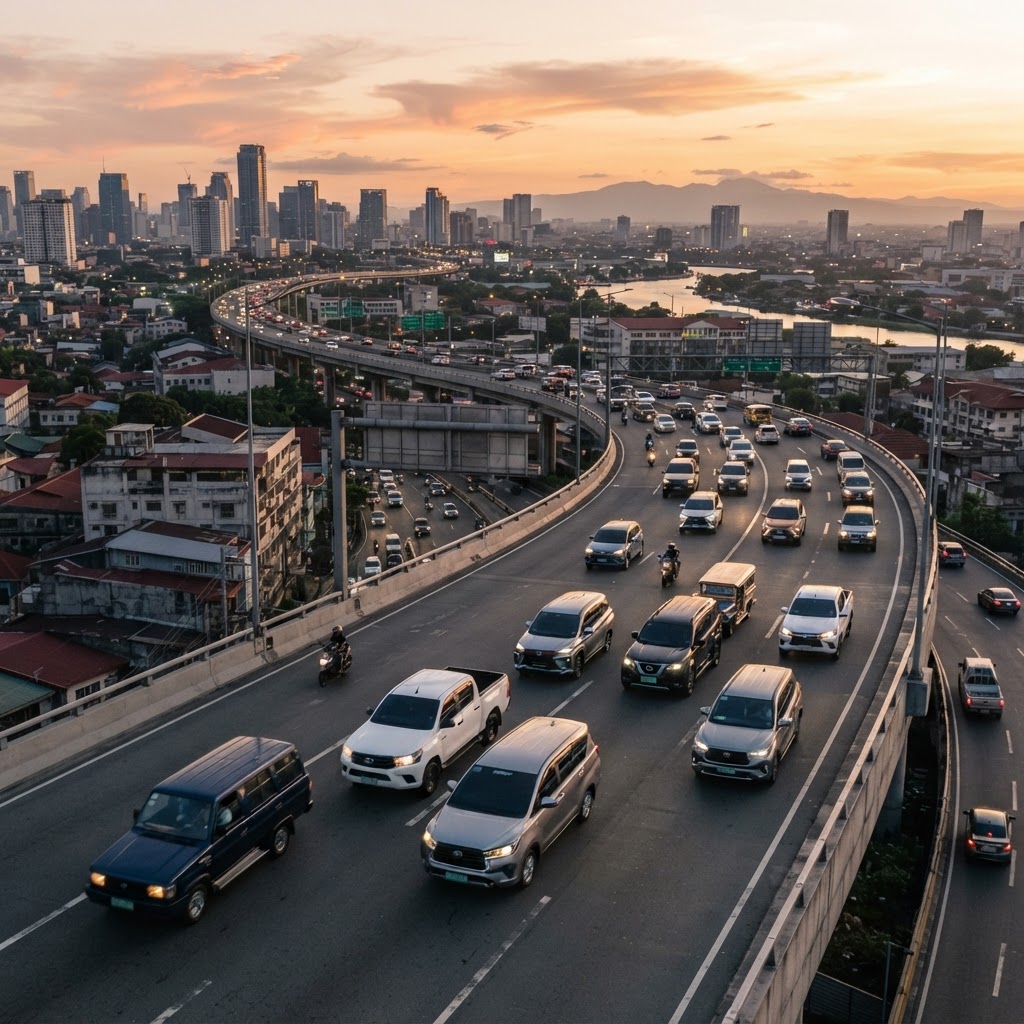
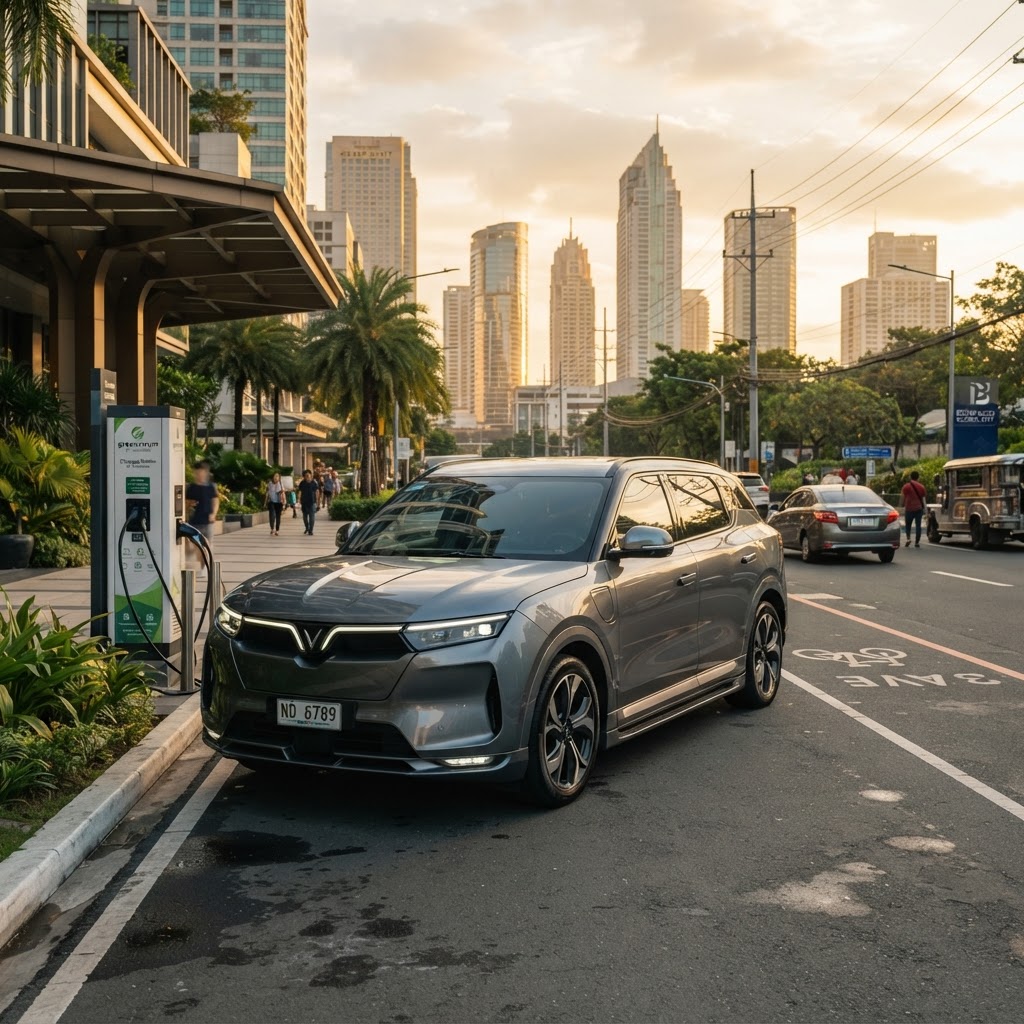
If you have spent any time in Metro Manila traffic lately, you might have noticed a subtle but significant change on the road. Nestled between the traditional sedans and SUVs are an increasing number of vehicles sporting white plates with green fonts. This is the hallmark of the 'Green Revolution' currently sweeping the Philippine automotive industry. Driven by high fuel prices, a growing environmental consciousness, and favorable government policies, 2024 has become the definitive year for Electric Vehicles (EVs) and Hybrid Electric Vehicles (HEVs) in the country.
The Hybrid Sweet Spot: Practicality Meets Efficiency
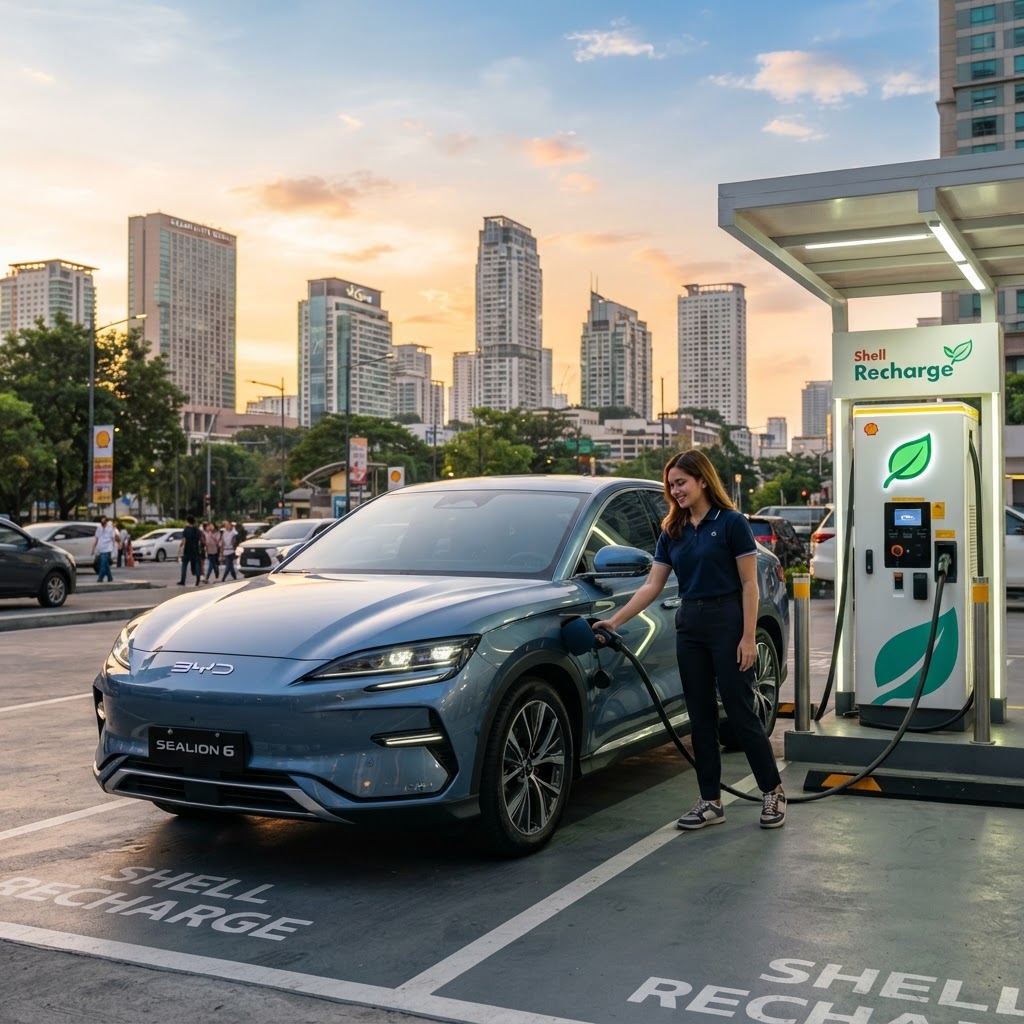
While full battery-electric vehicles (BEVs) are gaining traction, the real star of the show for the average Filipino car buyer is the Hybrid. Models like the Toyota Corolla Cross G HEV, starting at PHP 1,498,000, and the newly launched BYD Sealion 6 DM-i (priced at PHP 1,548,000), have changed the conversation.
Hybrids offer the perfect 'middle ground' for those who aren't quite ready to commit to a full charging lifestyle. The Sealion 6, for instance, uses BYD's Super DM-i technology, allowing for over 100 kilometers of pure electric range before the gasoline engine even kicks in. For a commuter traveling from Quezon City to Makati, this effectively means zero fuel consumption during the work week, with the safety net of a petrol engine for weekend trips to Baguio or La Union.
New Regulations: LTO Administrative Order No.
VDM-2024-044
It is not just about the cars; it is also about the rules of the road. One of the most significant developments this year is the implementation of LTO Administrative Order No. VDM-2024-044. This order clarifies the registration and licensing requirements for Electric Vehicle categories, specifically targeting light electric vehicles such as e-bikes and e-trikes.
Under these new guidelines, many high-speed e-bikes that were previously operating in a 'gray area' now require registration and for the driver to possess a valid license. While some have met this with resistance, the Department of Transportation (DOTr) emphasizes that this is a crucial step for road safety and the formalization of the EV sector. For car owners, the Electric Vehicle Industry Development Act (EWEVDA) continues to provide the biggest perk: exemption from the Unified Vehicular Volume Reduction Program (UVVRP), more commonly known as 'coding.' Being able to drive every day of the week is a luxury that many are now willing to pay a premium for.
The Influx of Global Contenders
At the 2024 Manila International Auto Show (MIAS), the message was clear: China is leading the charge in the local EV space. Brands like GWM (Great Wall Motor), MG (Morris Garages), and Chery have aggressively expanded their 'green' lineups. The GWM Haval Jolion HEV and the MG4 EV have become common sights, offering tech-heavy interiors and competitive pricing that challenges established Japanese and American brands.
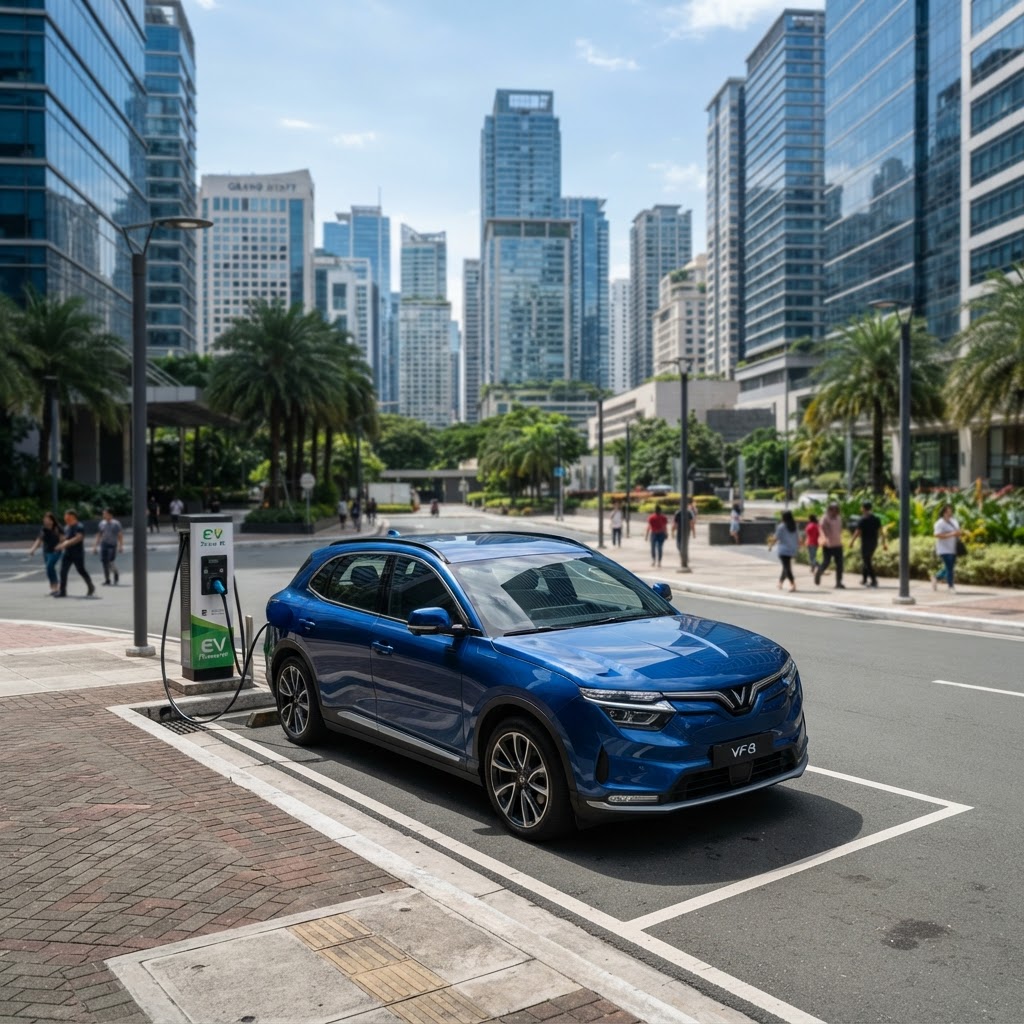
Even luxury segments are shifting. We are seeing more BMW iX3s and Audi e-trons on the road, supported by an expanding charging infrastructure. Major players like Shell Recharge and SM Supermalls have installed fast-chargers across the archipelago, making the prospect of a 'long drive' in an EV much less daunting than it was just two years ago.
Is it Time to Make the Switch?
Choosing between a traditional Internal Combustion Engine (ICE) and a New Energy Vehicle (NEV) currently boils down to total cost of ownership. While the initial purchase price of a hybrid or EV is often higher, the savings on fuel—especially with gasoline hovering around PHP 60-70 per liter—and the reduced maintenance costs (fewer moving parts in EVs) make a compelling financial case over a five-year period.
Moreover, the resale value of hybrids is stabilizing as the second-hand market becomes more familiar with battery longevity and replacement costs. As we move toward the latter half of 2024, the question for Filipino buyers is no longer 'if' they will buy an electrified vehicle, but 'when.'
With the upcoming Philippine International Motor Show (PIMS) expected to showcase even more affordable EV options, the barrier to entry is lower than ever. Whether you are looking to save on the daily commute or simply want to do your part for the environment, the Philippine automotive market has never been more ready to plug in.
Ready to Buy or Sell a Car?
Whether you're upgrading to your dream ride or letting go of your current one, OneCars makes it easy. List your car for 100% free — no hidden fees, no commissions. Browse hundreds of verified listings from trusted sellers across the Philippines, and connect directly with buyers and sellers today. Sell your car for free or explore the showroom now!