The Great Shift: Why 2026 is the Year of the Smart Vehicle in the Philippines
As we navigate through 2026, the Philippine automotive landscape is undergoing its most significant transformation yet, driven by affordable electrification and groundbreaking policy updates.
The Great Shift: Why 2026 is the Year of the Smart Vehicle in the Philippines
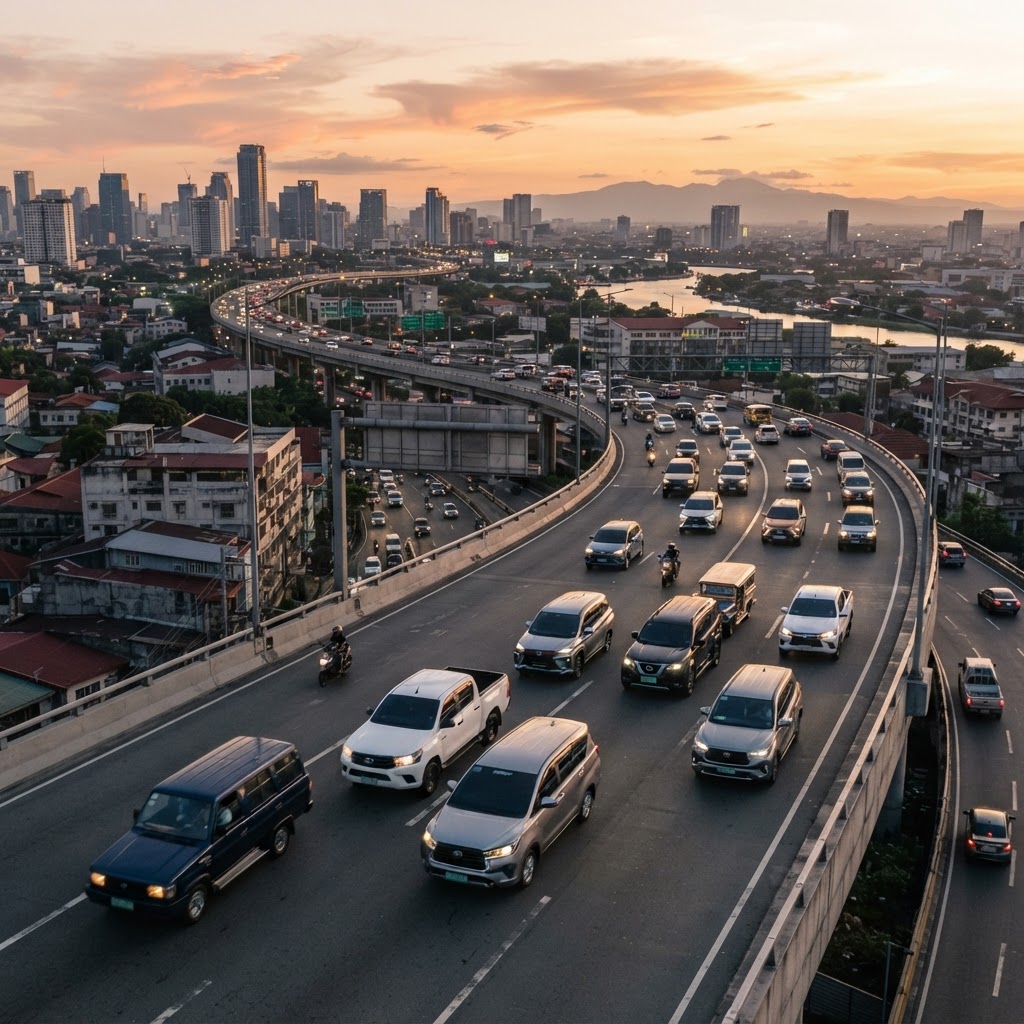
Welcome to 2026, a year that historians will likely remember as the definitive tipping point for the Philippine automotive industry. While the previous few years were defined by post-pandemic recovery and the initial entry of new players, 2026 has brought us into an era where technology, sustainability, and affordability finally align. From the bustling streets of Bonifacio Global City to the provincial highways of Isabela, the way Filipinos think about mobility has fundamentally changed.
The Democratization of Electric Mobility
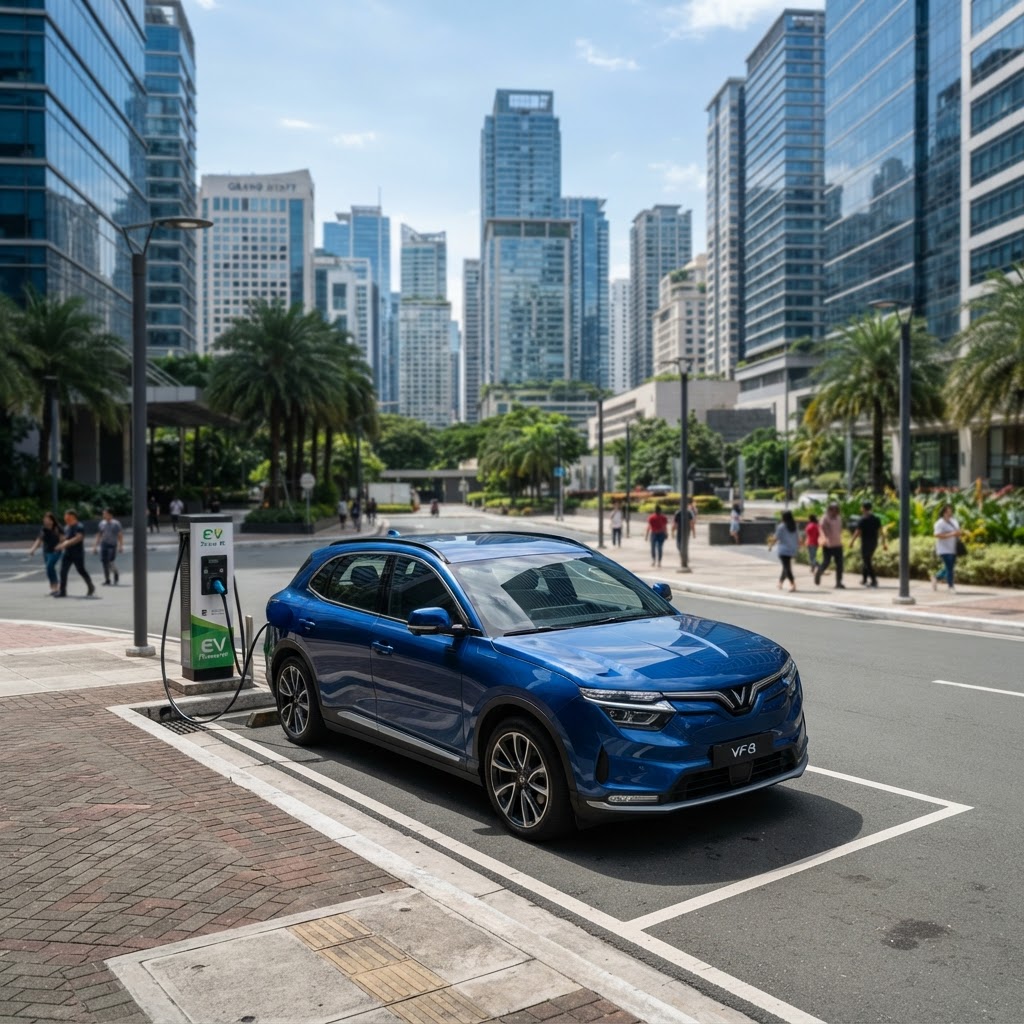
If 2024 was the year of curiosity and 2025 was the year of early adoption, 2026 is officially the year of mass-market electrification. We are seeing a surge in 'budget-friendly' electric vehicles (EVs) that no longer require a luxury budget. The standout success of the year has been the VinFast VF 3, which, at a starting price of approximately PHP 650,000, has become a common sight in Metro Manila.
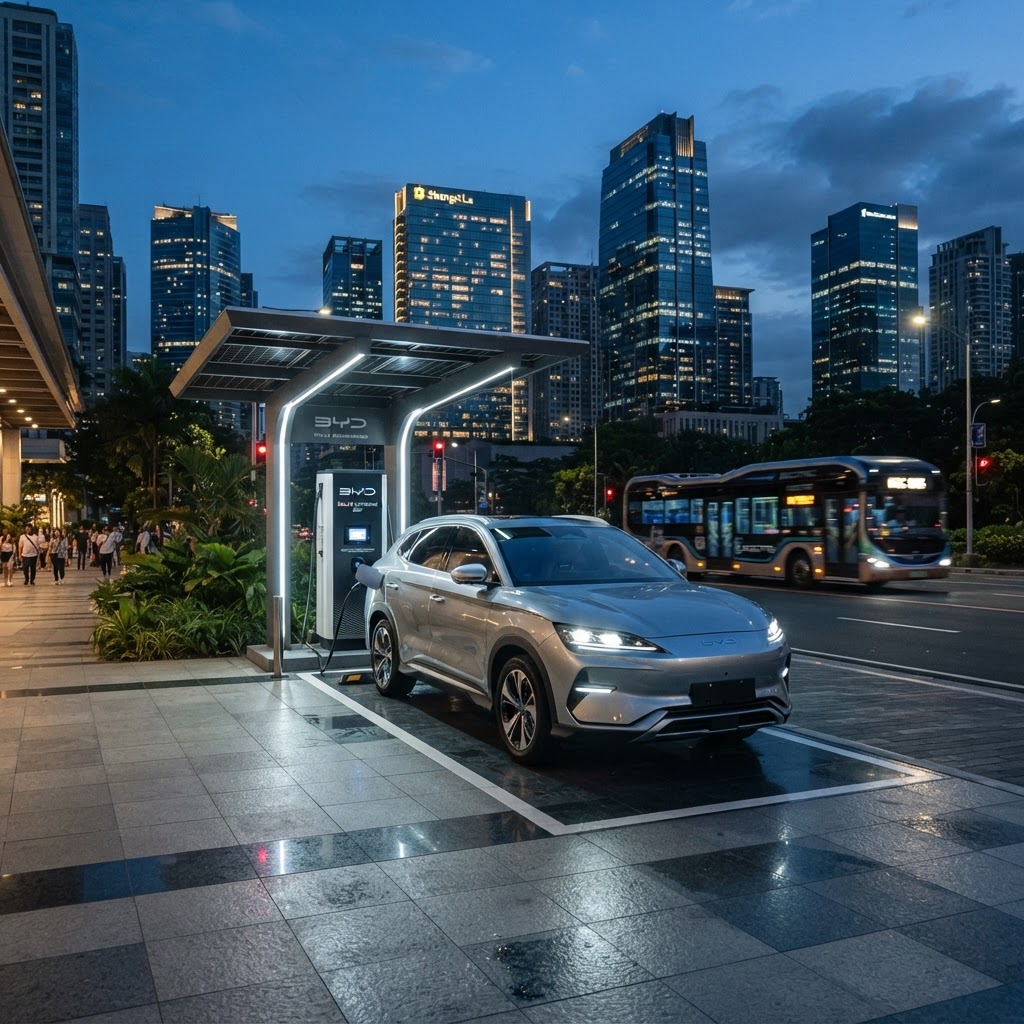
Not to be outdone, BYD has expanded its local lineup with the Sealion 7, priced at roughly PHP 2,350, 000. This model has challenged the traditional mid-size SUV segment, offering a range of 550km on a single charge. The competition has become so fierce that even legacy Japanese brands have accelerated their local EV timelines, with the updated 2026 Toyota bZ4X finally seeing significant sales volume as range anxiety fades into the background.
Hybrids: The Practical Bridge for Every Filipino
While pure EVs are grabbing the headlines, Hybrid Electric Vehicles (HEVs) remain the pragmatic choice for many. As of mid-2026, hybrids now account for nearly 35% of all new vehicle sales in the country. The 2026 Toyota Corolla Cross G HEV, still a fan favorite at PHP 1,498,000, continues to dominate.
However, the story of 2026 is the rise of the 'Plug-in Hybrid' or PHEV. Models like the GAC Emkoo PHEV and the Mitsubishi Outlander PHEV have become incredibly popular for families who live in the suburbs but work in the city. These vehicles offer enough electric range for the daily commute while providing the security of a gasoline engine for those long trips to Baguio or La Union.
New Regulations and LTO Updates
One of the biggest drivers of this shift has been proactive government policy. The Land Transportation Office (LTO) recently released LTO Memorandum Circular No. VDM-2026-088, which streamlines the registration process for both new and converted electric vehicles. This memo also formalizes the inclusion of dedicated 'Green Plates' for all electrified vehicles, granting them permanent exemption from the Unified Vehicular Volume Reduction Program (UVVRP) or 'coding' across all cities in Metro Manila.
Furthermore, the full implementation of the EVIDA Law's second phase in 2026 has mandated that at least 10% of all government and corporate fleets must be electric. This has created a robust secondary market for used EVs, making them even more accessible to the average buyer.
Infrastructure: No More Range Anxiety
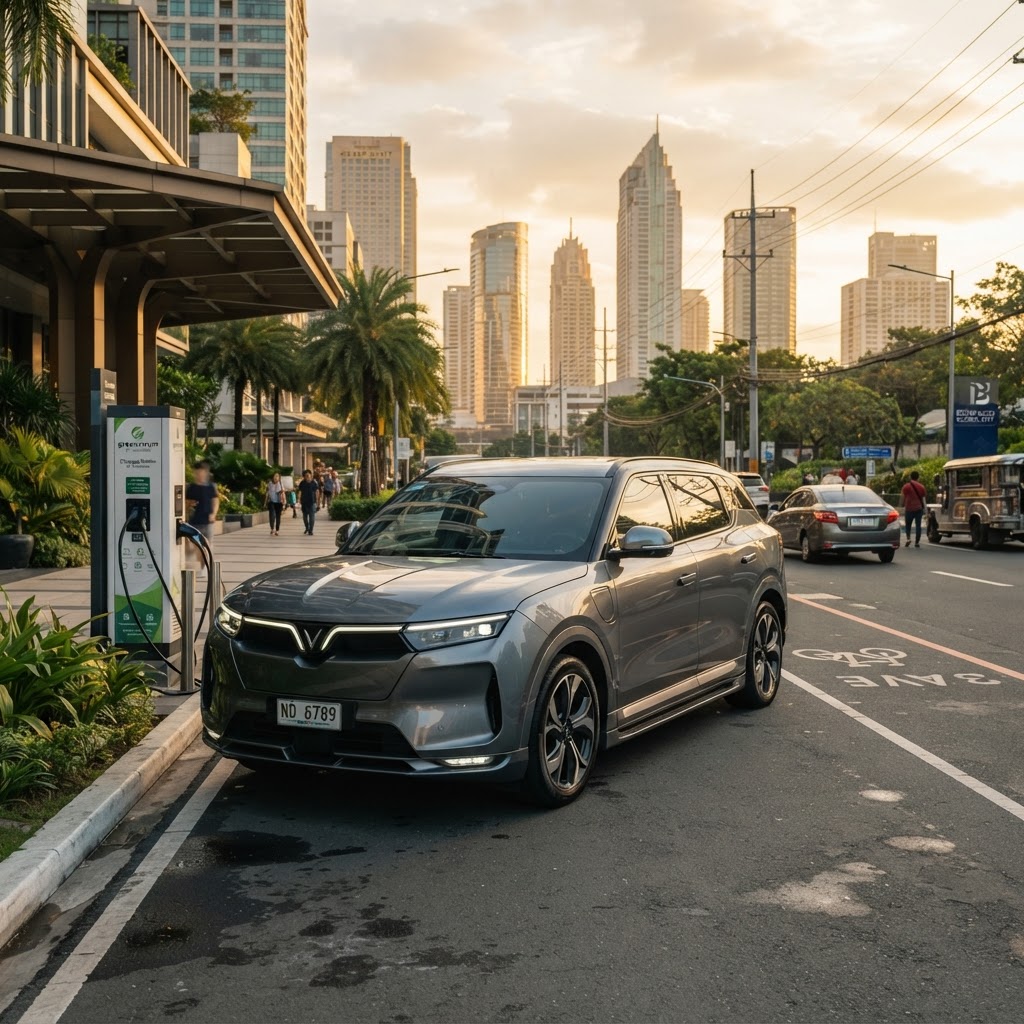
Perhaps the most visible change in 2026 is the infrastructure. Range anxiety is rapidly becoming a thing of the past. Major fuel retailers like Shell and Petron have completed their 'Energy Hub' rollouts, with ultra-fast DC chargers available every 50 to 80 kilometers along the North Luzon Expressway (NLEX) and South Luzon Expressway (SLEX).
In the city, the partnership between property developers and charging networks has resulted in over 2,500 public charging points across Metro Manila, Cebu, and Davao. Most SM Supermalls and Ayala Malls now offer 'Level 3' charging, allowing drivers to gain an 80% charge in the time it takes to have a quick lunch.
A New Era of Safety and Connectivity
Beyond the powertrain, 2026 cars are smarter. Following the 2026 Manila International Auto Show (MIAS), it became clear that Advanced Driver Assistance Systems (ADAS) are no longer premium features. Even entry-level hatchbacks from brands like GWM and Jetour now come standard with autonomous emergency braking and adaptive cruise control, significantly reducing the frequency of minor fender-benders on the C-5 and EDSA.
Ready to Buy or Sell a Car?
If you are looking to join the automotive revolution in 2026, OneCars is here to help you make the right choice. Our platform is the Philippines' premier free car marketplace, allowing you to list your vehicle for free, browse thousands of verified listings, and connect directly with trusted sellers. Start your journey today with 100% free listings and no hidden fees!